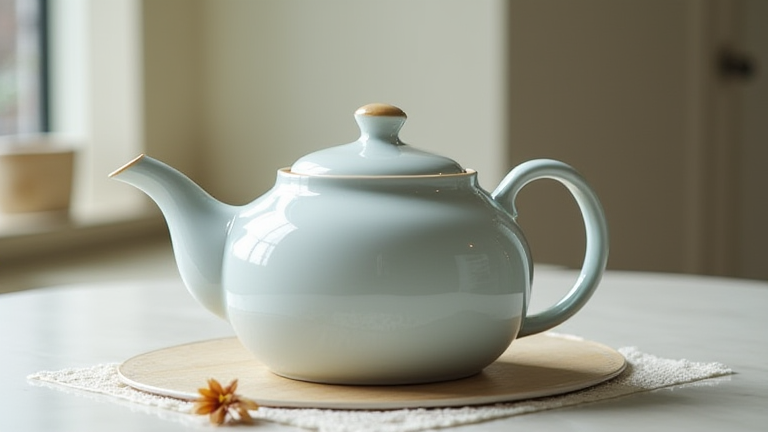
TL;DR: A porcelain teapot isn’t just a vessel—it’s a daily ritual that slows time, improves tea flavor, and brings a touch of ceramic artistry into your home. Choosing the right one (thin walls, good glaze, proper size) transforms tea drinking from a quick caffeine fix into a mindful, cultural experience.
Why Porcelain, Not Just Any Pot?
Walk into any tea shop and you’ll see cast iron, glass, and clay. But porcelain—fired at high temperatures and prized for its non-porous, glass-like surface—offers a unique neutrality. Unlike unglazed clay, which absorbs previous brews and alters flavor, porcelain lets every tea leaf shine on its own terms. This makes it the perfect canvas for delicate green teas, floral whites, and even aged oolongs. The thin walls heat up quickly and cool down fast, giving you precise control over steeping. For the traveler or the home-bound dreamer, a porcelain pot is a passport to a slower, more deliberate rhythm.
If you want to dig deeper, check out our guide on Here are several SEO-friendly title options (all under 70 ch.
The Cultural Angle: A Ritual of Patience
In Chinese Gongfu tea ceremonies, the small porcelain gaiwan (a lidded bowl) is used not to show off, but to honor the leaf. In Japan, the refined white of Arita porcelain reflects wabi-sabi—the beauty of imperfection. When you lift a porcelain lid, you’re not just smelling tea; you’re engaging with centuries of craftsmanship. Adopting this practice at home—even for 10 minutes a day—is a form of personal growth. It forces you to be present: watch the water temperature, wait for the leaves to unfurl, and pour with intention. That’s not a chore; it’s a meditation that grounds you in a world of notifications.
Choosing Your Perfect Teapot
Start with size. For solo mornings, a 150–200 ml pot (or a gaiwan) is ideal. For hosting, a 400–500 ml pot serves four. Next, examine the spout: it should pour without dripping, creating a clean, unbroken stream. Look for a snug-fitting lid—if it rattles, heat escapes. And don’t ignore the glaze: a smooth, glossy interior is easier to clean and won’t harbor stale flavors. For everyday use, avoid overly ornate handles that get hot. A simple, ergonomic design wins every time.
As for care, porcelain is forgiving. Rinse with warm water after each use—never soap, which can leave a film. Once a month, a gentle baking soda scrub removes tea stains without scratching. Store with the lid off to allow air circulation, preventing musty odors.
From Pot to Plate: Building a Tea Set
A great teapot deserves a supporting cast. Pair it with matching porcelain cups (thin-walled, not mugs) and a fairness pitcher (gongdao bei) if you’re brewing Gongfu style. For a casual afternoon, add a simple ceramic tray to catch spills—it doubles as a decorative piece. The key is cohesion: don’t mix glossy white with matte beige unless you’re going for an eclectic gallery look. Invest in a small thermometer or a gooseneck kettle with temperature settings; green tea loves 175°F, black tea 205°F. This precision is what separates a good cup from a transcendent one.
Finally, let your teapot be a conversation starter. Invite a friend over, brew a pot of Taiwanese oolong, and share the story of how you learned to slow down. Tea, after all, is a bridge between cultures and between people. Your porcelain pot is the humble ferryman.
FAQ
Q: How is a porcelain teapot different from a clay or cast iron one?
A: Porcelain is non-porous and neutral, meaning it won’t absorb or alter the tea’s flavor. Clay pots season over time, adding earthy notes, while cast iron retains heat longer—but porcelain gives the purest, most
Leave a Reply