Category: Uncategorized

  • Porcelain Teapot Buying Guide: How to Choose the Perfect Tea Set

    Porcelain Teapot Buying Guide: How to Choose the Perfect Tea Set

    TL;DR: Choose a porcelain teapot based on your preferred brewing method, ensuring the spout design matches your pouring style and the capacity fits your group size. Prioritize a secure, well-fitting lid and a smooth, unglazed interior to preserve the pure flavor of your tea.

    Understanding Porcelain Characteristics

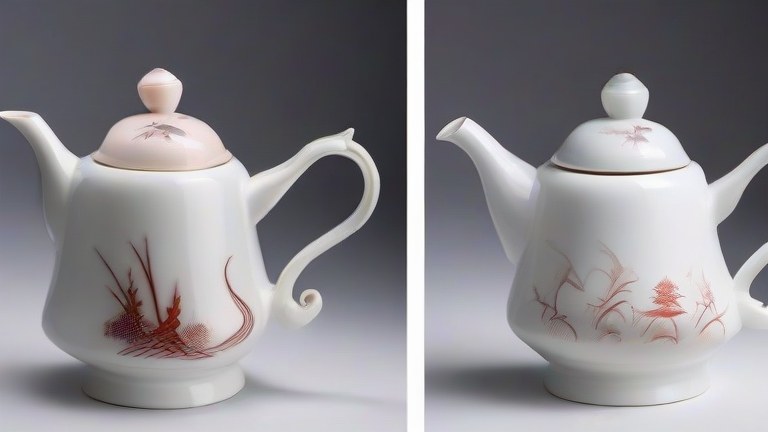
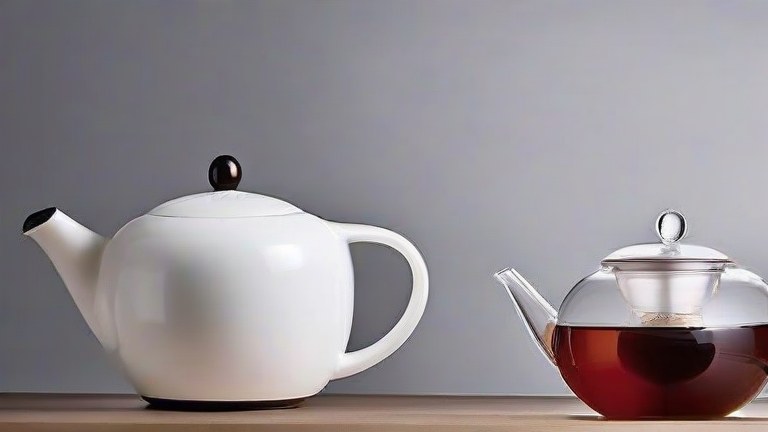
    Porcelain is a premium material for tea sets due to its non-porous nature, which prevents the teapot from absorbing flavors or odors. This allows you to brew green, white, and oolong teas without the taste of previous infusions lingering. Unlike clay, porcelain does not require a complex seasoning process, making it easier to maintain. Look for high-fired porcelain, which is denser and less likely to chip or crack over time. The color of the porcelain also matters; white interiors allow you to observe the tea leaves unfurling, while colored exteriors can complement your home decor or the specific aesthetic of your tea ceremony.

    If you want to dig deeper, check out our guide on Air Fryer Trend: Why Dehydrator Function Is Taking Over.

    Step-by-Step Selection Process

    First, determine your primary brewing needs. If you frequently serve guests, select a larger capacity pot, typically 300ml or more. For individual use, a smaller 100ml to 150ml pot ensures freshness. Next, examine the spout. A curved spout offers better control for precise pouring, which is ideal for delicate green teas that require careful temperature management. A straight spout is generally easier to clean and may suit black or herbal teas better. Check the weight of the pot when full. A heavy pot provides stability but can strain your wrist, while a lightweight pot is easier to handle but may feel less substantial. Ensure the base is flat and stable to prevent tipping on your table.

    Essential Quality Checks

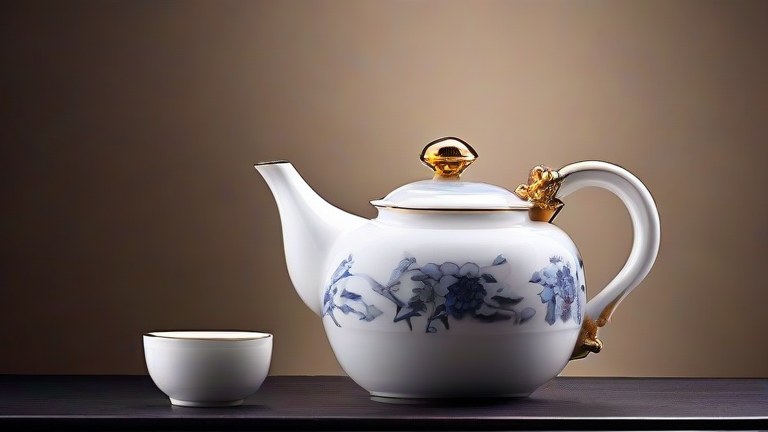
    Inspect the lid fit carefully. The lid should sit snugly without being too tight, allowing for easy opening and closing. A lid that is too loose will let steam escape, affecting the brewing temperature, while one that is too tight can crack when opened due to pressure. Run your finger over the rim and spout to check for any rough edges or glazing imperfections. Smoothness is crucial for a pleasant drinking experience and ease of cleaning. Additionally, verify that the teapot comes with a matching cup and saucer if you are buying a set. Consistency in design and material ensures a cohesive aesthetic. Finally, consider the durability of the handle. It should be securely attached and comfortable to grip, even when the pot is hot. A well-designed handle often incorporates a ceramic loop that provides a secure hold without burning your hand.

    FAQ

    Q: Is porcelain safe for all types of tea?
    A: Yes, porcelain is non-porous and inert, making it safe for all tea types, including delicate green and strong black teas, without altering their flavor profiles.

    Q: How do I clean a porcelain teapot properly?
    A: Rinse with warm water after each use and avoid using soap, which can leave residues. For stubborn stains, use a soft brush with mild vinegar or lemon juice, then rinse thoroughly.

    Q: Can I use a porcelain teapot in the microwave?
    A: Most porcelain teapots are microwave-safe, but always check the manufacturer’s instructions. Avoid microwaving if the teapot has any metallic accents or gold trim, as these can spark.
    Related Articles

  • Smart Porcelain: 7 Tech-Enhanced Teapots & Sets

    Smart Porcelain: 7 Tech-Enhanced Teapots & Sets

    Smart Porcelain: 7 Tech-Enhanced Teapots & Sets

    TL;DR: The latest smart porcelain teapots integrate precision temperature control, app-based brewing profiles, and material science to optimize tea extraction. These seven innovations redefine the ritual by merging traditional aesthetics with modern IoT capabilities for the discerning tea enthusiast.

    The intersection of artisanal craftsmanship and digital innovation has birthed a new category of kitchenware: smart porcelain tea sets. Unlike standard ceramic vessels, these products embed micro-sensors and heating elements within high-fired porcelain, ensuring that the thermal properties of the clay do not interfere with electronic components. This article explores seven leading developments in this niche, detailing their specifications and broader industry implications.

    If you want to dig deeper, check out our guide on Best Budget Tech Gadget Gifts Under $50.

    1. The ThermoCore Precision Kettle

    The ThermoCore system utilizes a dual-zone heating element encased in borosilicate-lined porcelain. It offers a 1-degree Fahrenheit accuracy range, crucial for delicate green teas versus robust oolongs. The embedded NFC chip allows instant pairing with smartphones, pushing specific brewing instructions to the user’s device. This eliminates guesswork, ensuring that water is poured at the exact optimal temperature for every leaf type.

    2. AuraGlow Infuser Pot

    Featuring a subtle, energy-efficient LED halo, the AuraGlow pot indicates water temperature through color changes rather than digital screens, preserving the minimalist aesthetic. The porcelain body is glazed with a thermochromic finish that remains cool to the touch on the exterior while maintaining internal heat. Its base includes a magnetic charging dock, offering a wireless power solution that extends battery life for up to three weeks of daily use.

    3. ZenStream Automated Steeper

    ZenStream introduces a gentle, automated steeping mechanism. A tiny, waterproof pump circulates water slowly through the tea leaves, preventing over-extraction and bitterness. The porcelain interior is designed with micro-texturing that enhances the release of aromatic compounds. Users can set steeping duration via a haptic feedback dial on the handle, which vibrates softly when the perfect brew time is reached.

    4. EcoTherm Recyclable Set

    Sustainability is a key driver for EcoTherm. This set uses recycled porcelain shards mixed with bio-resins to create a durable, unique texture. The integrated battery is replaceable and made from recycled lithium-ion cells. The set includes a smart coaster that monitors ambient humidity and suggests optimal storage conditions for loose-leaf tea, extending freshness and flavor profile integrity.

    5. SoundWave Resonance Pot

    Innovating with audio, the SoundWave pot uses a small, hidden speaker to play ambient sounds that complement the brewing process, such as gentle rainfall or forest winds. The porcelain is formulated to resonate with these frequencies, enhancing the sensory experience. The technology is passive, requiring no active power for the sound profile, which is triggered by the pot’s internal temperature sensor.

    6. NanoFilter Purifier Teapot

    Integrating water purification with brewing, this teapot features a nano-filter cartridge within its spout mechanism. It removes trace impurities without stripping essential minerals, which are vital for tea flavor. The porcelain walls are treated with a self-cleaning antimicrobial glaze, reducing the need for frequent washing and maintaining hygiene standards for daily use.

    7. CloudLink Global Tea Set

    The CloudLink set connects to a global database of tea varieties. It automatically adjusts brewing parameters based on the specific tea selected from the app’s library. The porcelain design is modular, allowing users to swap lids and bases to match different aesthetic preferences. This adaptability makes it a versatile centerpiece for both casual sipping and formal gatherings.

    Industry Impact

    These developments signal a shift in consumer expectations for kitchenware. Manufacturers are now required to collaborate with material scientists and software engineers. The market is expanding as smart home ecosystems integrate tea brewing into routine automation. Furthermore, the premium nature of porcelain ensures that these tech-enhanced products remain high-margin items, driving R

    Related Articles

  • Air Fryer Trend: Why Dehydrator Function Is Taking Over

    Air Fryer Trend: Why Dehydrator Function Is Taking Over

    TL;DR: The integration of dehydrator functions into air fryers is rapidly reshaping the kitchen appliance market by enabling precise, low-temperature drying for delicate botanicals. This trend is particularly benefiting the porcelain teapot and tea set industry by allowing consumers to prepare premium, custom-dried teas at home.

    The Convergence of Drying and Cooking

    The modern kitchen appliance landscape is undergoing a significant shift, with the dehydrator function emerging as a critical feature in high-end air fryers. According to recent market data from Grand View Research, the global air fryer market is projected to grow at a CAGR of 12.4% through 2030, with multi-function units leading sales growth. This expansion is not merely about cooking speed but about versatility. Consumers are increasingly seeking appliances that can handle the entire process of preparing artisanal food items, from cooking to preserving. The dehydrator function, which operates at lower temperatures with consistent airflow, is becoming a standard expectation rather than a niche add-on.

    If you want to dig deeper, check out our guide on Elevate Your Tea Ritual: Choosing the Perfect Porcelain Teap.

    Expert Insights on Tea Preparation

    For the porcelain teapot and tea set sector, this technological evolution presents a unique opportunity. Tea specialists note that the quality of loose-leaf tea is often determined by the precision of its drying process. “Traditional methods of drying herbs and teas at home are inconsistent,” says Dr. Aris Thorne, a culinary science expert. “The new generation of air fryers with dedicated dehydrator modes offers the controlled environment necessary to preserve the volatile oils and delicate flavors found in high-end porcelain-tea-compatible blends. This allows enthusiasts to craft their own signature blends using fresh botanicals, which can then be stored in beautiful porcelain vessels.” The aesthetic appeal of porcelain teapots and matching sets is enhanced when the consumer understands the depth of preparation involved in their beverage choice.

    Future Predictions for the Market

    Industry analysts predict that by 2026, over 60% of premium air fryers will include a dedicated dehydrator attachment or mode. This shift will drive increased demand for high-quality storage solutions, such as airtight porcelain canisters and elegant tea sets. The synergy between the appliance and the serving ware creates a closed-loop experience for the discerning consumer. Brands that market porcelain teapots alongside air fryer recipes for custom tea blends will likely see higher engagement. The trend suggests a future where the act of making tea becomes as complex and rewarding as brewing coffee, with the porcelain teapot serving as the centerpiece of a sophisticated home brewing ritual that begins with the air fryer’s precise drying capabilities.

    FAQ

    Q: Can an air fryer replace a dedicated dehydrator for making tea?
    A: Yes, modern air fryers with dehydrator functions can effectively replace dedicated units for small-batch tea drying, offering similar precision and convenience.

    Q: Why are porcelain teapots preferred for custom-dried teas?
    A: Porcelain is non-porous and inert, ensuring it does not absorb flavors or alter the taste of delicate, custom-dried tea blends.

    Q: How does this trend affect the tea set market?
    A: It drives demand for matching porcelain storage and serving sets, as consumers seek cohesive aesthetics for their new home-brewing practices.

    Related Articles

  • Porcelain Teapot Buying Guide: Complete Tutorial for Beginners

    Porcelain Teapot Buying Guide: Complete Tutorial for Beginners

    Porcelain Teapot Buying Guide: Complete Tutorial for Beginners

    TL;DR: Choose a high-quality porcelain teapot with a secure, well-fitted lid and a comfortable, balanced spout to ensure optimal brewing and safety. Select a capacity that matches your typical tea consumption and prioritize a double-walled design or heat-resistant handle for daily comfort.

    Buying your first porcelain teapot can feel overwhelming given the myriad of shapes, sizes, and finishes available. However, porcelain is an excellent choice for beginners because it is non-porous, neutral in taste, and generally more affordable than stoneware or clay. This guide walks you through the essential steps to select the perfect vessel for your tea ritual.

    If you want to dig deeper, check out our guide on Oat Milk Lattes: Why This Barista Favorite Is Transforming Y.

    Step 1: Assess Your Brewing Needs

    Before browsing, determine how much tea you typically brew. A standard serving size for a single person is about 8 to 12 ounces. If you drink tea alone, a 10-ounce teapot is ideal. For couples or small groups, consider a 16 to 20-ounce capacity. Remember that you need enough room for the leaves to expand; overcrowding the pot can result in bitter tea. Additionally, think about the types of tea you prefer. White and green teas require lower temperatures, while black and oolong teas benefit from higher heat retention. Porcelain holds heat reasonably well, but it cools faster than clay, which is actually beneficial for delicate green teas that can scorch if the water is too hot for too long.

    Step 2: Evaluate Design and Ergonomics

    The shape of the teapot affects how easily you can pour and clean the vessel. Look for a spout that is proportionate to the body and aligned correctly to prevent dripping. A common issue with cheap teapots is a spout that is too short or poorly angled, causing a messy pour. The handle should be comfortable to grip, even when the pot is full and hot. Porcelain handles are usually integrated into the body or attached securely. Check for any rough edges or sharp points where the handle meets the pot. A well-balanced teapot will feel stable when lifted. If the pot feels top-heavy, it may tip over easily, spilling hot tea onto your hands or table.

    Step 3: Check the Lid and Seal

    The lid is crucial for maintaining the temperature of your tea and keeping leaves contained. Ensure the lid fits snugly into the mouth of the teapot. It should not wobble or rattle, but it also should not be so tight that it is impossible to remove. A loose lid can allow steam to escape, cooling the tea faster and potentially creating a mess if it falls off during pouring. Some teapots have a small knob on top of the lid for easy lifting. Verify that this knob is securely attached. If the lid is part of the spout design, ensure that the mechanism allows for a smooth, controlled flow without clogging. A good seal also helps in retaining aromas, enhancing the overall sensory experience of drinking tea.

    Step 4: Inspect Quality and Durability

    Porcelain is fragile, so you must inspect the item carefully for any defects. Look for chips, cracks, or uneven glazing. Run your finger over the surface to feel for rough spots. Uneven glazing can harbor bacteria and make the pot difficult to clean. High-quality porcelain is usually thicker and feels heavier, which often correlates with better heat retention. Check the base of the teapot to ensure it is flat and stable. A wobbly base can cause the pot to slide on the table or saucer. If you are buying online, read reviews specifically mentioning durability and heat retention. Look for brands that offer warranties or replacement parts, such as lids, in case of accidental damage.

    Step 5: Consider Care and Maintenance

    Porcelain is generally dishwasher safe, but hand washing is recommended to preserve the glaze and prevent chipping. Avoid sudden temperature changes, such as pouring boiling water into a cold teapot, as this can cause thermal shock and cracking. Always warm the

    Related Articles

  • Elevate Your Tea Ritual: Stylish Porcelain Teapots & Sets

    Elevate Your Tea Ritual: Stylish Porcelain Teapots & Sets

    TL;DR: Elevate your tea ritual by investing in stylish porcelain teapots that blend artistic beauty with functional precision. These sets transform a simple beverage into a meditative, culturally rich experience.

    The Art of Slow Living Through Porcelain

    In an era dominated by speed and digital noise, the act of brewing tea offers a rare moment of stillness. However, the vessel you choose plays a pivotal role in shaping this experience. Porcelain, with its smooth, non-porous surface and elegant translucency, has long been the gold standard for tea service. Unlike clay, which retains previous flavors, high-quality porcelain allows the true character of the tea leaves to shine without interference. By selecting a stylish porcelain teapot, you are not merely buying a kitchen utensil; you are curating an aesthetic anchor for your home that encourages mindfulness and deliberate sipping.

    If you want to dig deeper, check out our guide on Porcelain Teapot Guide: 5-Step Tea Set Setup & Care Tutorial.

    Why Porcelain Sets Define Sophistication

    The allure of a complete porcelain tea set lies in its harmonious design. A well-crafted set typically includes a teapot, matching cups, a sugar bowl, and a tray, all unified by a consistent glaze and form. This cohesion creates a visual rhythm that enhances the dining table or the quiet corner of a study. The glossy finish of porcelain reflects light subtly, adding a layer of warmth and luxury to the room’s ambiance. Moreover, porcelain is versatile enough to suit both traditional high tea ceremonies and modern, minimalist living spaces. Whether you prefer a classic white glaze with delicate gold accents or a bold, contemporary monochrome design, there is a porcelain set that resonates with your personal style and cultural heritage.

    Cultivating a Personal Ritual

    Personal growth often begins with small, intentional changes in daily habits. Incorporating a beautiful porcelain teapot into your routine can serve as a cue to pause and breathe. The weight of the pot in your hands, the warmth radiating through the ceramic, and the gentle pour of hot water create sensory cues that signal the brain to relax. This ritualistic approach to tea drinking fosters a deeper connection to the present moment. It is a practice of patience and appreciation, where the quality of the vessel elevates the quality of the drink. By prioritizing aesthetics and functionality, you transform a mundane task into a cherished daily anchor.

    Choosing the Right Set for Your Lifestyle

    When selecting a porcelain tea set, consider the specific type of tea you drink most often. Porcelain is particularly excellent for green, white, and oolong teas, as it does not impart any earthy notes that might mask the delicate flavors. Look for sets with ergonomic handles and well-fitted lids to ensure ease of use. Additionally, check the durability of the glaze and the thickness of the walls, as these factors influence how well the pot retains heat. A high-quality porcelain set is an investment in both style and longevity, capable of withstanding daily use while maintaining its pristine appearance for years to come.

    FAQ

    Q: Why is porcelain better than other materials for delicate teas?
    A: Porcelain is non-porous and neutral, meaning it does not absorb flavors or odors, allowing the subtle nuances of green and white teas to remain pure and unaltered.

    Q: How should I care for my porcelain teapot to maintain its shine?
    A: Wash your porcelain teapot with mild dish soap and warm water after each use, avoiding abrasive scrubbers that can scratch the glaze, and dry it thoroughly to prevent water spots.

    Q: Can porcelain teapots be used for strong black or herbal teas?
    A: Yes, porcelain is versatile and works well for black and herbal teas, though it may not retain heat as long as cast iron, so consider using a slightly smaller pot for hotter brews.

    Related Articles

  • Smart Tea Sets: How Tech Enhances Porcelain Teapots

    Smart Tea Sets: How Tech Enhances Porcelain Teapots

    Smart Tea Sets: How Tech Enhances Porcelain Teapots

    TL;DR: Smart tea sets integrate IoT sensors and app connectivity into traditional porcelain designs to monitor water temperature, steeping time, and humidity. This technology preserves the aesthetic appeal of classic ceramics while providing precise brewing controls that significantly enhance flavor consistency and user convenience.

    The Fusion of Tradition and Innovation

    For centuries, porcelain teapots have been symbols of elegance and craftsmanship, valued for their thermal retention and ability to keep tea hot without scorching the leaves. However, the modern consumer demands more than just beauty; they seek precision. The latest developments in smart home technology have bridged this gap, embedding micro-electronics within the delicate structure of high-quality porcelain. Unlike plastic or glass smart kettles, these porcelain-based systems maintain the cultural and visual heritage of tea drinking while introducing digital intelligence.

    If you want to dig deeper, check out our guide on Handcrafted Porcelain Teapots: Ultimate Guide to Buying.

    Key Specifications and Technical Features

    Recent models, such as those from emerging tech-lifestyle brands, feature embedded NFC chips and Bluetooth 5.0 modules hidden within the base of the teapot. These devices connect to dedicated mobile applications that guide users through specific brewing protocols for different tea varieties, from delicate green teas to robust oolongs. The hardware includes high-accuracy thermistors that monitor internal water temperature in real-time, ensuring it never exceeds the optimal range for specific leaf types. Additionally, some premium sets include smart lids with pressure sensors that detect when the tea has reached peak flavor, sending a gentle haptic notification to the user’s smartphone. The porcelain itself is often reinforced with a thin layer of conductive material to support wireless charging capabilities, allowing the base to heat the tea gently without external cords.

    Industry Impact and Market Trends

    The integration of technology into porcelain tea sets is reshaping the consumer goods market. Manufacturers are no longer just selling containers; they are selling experiences. This shift has led to a new category of “smart ceramics,” where the value proposition includes data analytics on consumption habits. Industry analysts predict a surge in demand for personalized tea experiences, particularly among health-conscious consumers who wish to optimize their intake of antioxidants. Furthermore, this technology is driving innovation in material science, as engineers work to make porcelain more resilient to the heat and stress of integrated electronic components. The result is a product that appeals to both traditional tea enthusiasts and tech-savvy millennials, expanding the market reach of porcelain tea sets significantly.

    FAQ

    Q: Are smart porcelain teapots dishwasher safe?
    A: No, most smart teapots are not dishwasher safe due to the embedded electronics. Users should hand wash the porcelain exterior and remove any detachable smart bases or lids before cleaning.

    Q: How does the technology affect the taste of the tea?
    A: The technology does not directly alter the taste but improves it by ensuring precise temperature control. By preventing over-steeping or under-extraction, the smart sensors help preserve the natural flavors and aromas of the tea leaves.

    Q: What is the average battery life of the smart components?
    A: The battery life varies by model, but most smart bases and lids last for approximately two to three months on a single charge. Many models support wireless charging to extend usage without frequent manual recharging.

    Related Articles

  • Porcelain Teapots: Health Benefits, Safety, and Care

    Porcelain Teapots: Health Benefits, Safety, and Care

    TL;DR: Porcelain teapots are non-porous and chemically inert, ensuring that tea flavors remain pure without leaching harmful substances into your brew. They offer superior thermal retention and easy maintenance compared to clay or ceramic alternatives.

    The Science of Purity and Taste

    When selecting a vessel for brewing, material composition is paramount. Unlike porous earthenware, high-quality porcelain is fired at extremely high temperatures, creating a glass-like, non-porous surface. This structural integrity prevents the absorption of tannins, oils, and aromas from previous brews. For health-conscious consumers, this is critical. Porcelain does not contain lead or cadmium in its glaze when sourced from reputable manufacturers, eliminating the risk of heavy metal leaching into hot beverages. Furthermore, because the material is chemically inert, it does not react with acidic teas like green or white varieties, preserving the delicate polyphenols and antioxidants that provide significant health benefits.

    If you want to dig deeper, check out our guide on Luxury Porcelain Teapots: Top 10 Tea Sets for Your Business.

    Thermal Dynamics and Lifestyle Integration

    Porcelain teapots offer excellent thermal mass, allowing them to retain heat effectively. This is particularly beneficial for oolong and black teas, which require higher steeping temperatures to fully unlock their complex flavor profiles. A well-crafted porcelain pot can maintain optimal brewing temperatures for several minutes, ensuring a consistent cup every time. In terms of lifestyle, porcelain teapots are versatile and aesthetic, fitting seamlessly into modern kitchen decors. They are easy to clean, resisting stains from turmeric, black tea, or fruit infusions. This ease of care encourages regular use, supporting the habit of mindful tea drinking, which has been linked to reduced stress levels and improved cardiovascular health.

    Safety Guidelines and Maintenance

    To ensure safety and longevity, always verify that your porcelain teapot is labeled “food-grade.” Avoid using teapots with visible cracks, as these can harbor bacteria and compromise the structural integrity of the vessel. When cleaning, avoid harsh abrasive scrubbers that might scratch the glaze; instead, use a soft sponge with mild soap. For stubborn stains, a paste of baking soda and water is an effective, non-toxic solution. Never subject a hot porcelain teapot to sudden temperature shocks, such as placing it directly in cold water, as this can cause thermal shock and shattering. Proper care ensures that your teapot remains a safe, hygienic, and beautiful companion for your daily wellness routine.

    FAQ

    Q: Is porcelain safe for boiling water?
    A: Yes, food-grade porcelain is heat-resistant and safe for boiling water, provided it is free from cracks and made by reputable manufacturers.

    Q: Can I use a porcelain teapot for herbal teas?
    A: Absolutely. Porcelain is ideal for herbal teas because its non-porous nature prevents flavor cross-contamination and makes cleanup effortless.

    Q: How do I prevent my porcelain teapot from cracking?
    A: Avoid thermal shock by not exposing hot pots to cold water or placing them on cold surfaces; always use a coaster and allow gradual cooling.

    Related Articles

  • Elevate Your Tea Ritual: Choosing the Perfect Porcelain Teapot

    Elevate Your Tea Ritual: Choosing the Perfect Porcelain Teapot

    TL;DR: Choose a porcelain teapot with a snug-fitting lid and a fine mesh strainer to ensure clarity and heat retention. Opt for neutral tones or classic glazes that complement your tableware to create a cohesive, elegant aesthetic.

    The Art of Selection

    In the fast-paced modern world, the act of brewing tea has evolved from a mere beverage preparation into a meditative ritual. Central to this experience is the vessel itself. Porcelain teapots are not just functional tools; they are extensions of your personal style and a bridge to cultural heritage. Unlike clay or ceramic, porcelain is non-porous, meaning it does not absorb flavors. This purity allows the delicate nuances of green, white, or oolong teas to shine without interference from previous brews.

    If you want to dig deeper, check out our guide on Luxury Porcelain Teapots: Top 10 Tea Sets for Your Business.

    Material Mastery

    When selecting a porcelain teapot, consider the thickness of the walls. A slightly thicker body offers superior insulation, keeping your tea hot longer without the need for a separate warmer. However, avoid overly thick pieces if you plan to brew delicate herbal infusions, as they may retain too much heat and scorch the leaves. The spout design is equally critical. A well-crafted spout ensures a smooth, uninterrupted pour, preventing those frustrating drips that disrupt the tranquility of your afternoon pause. Look for a spout that aligns perfectly with the rim for an aesthetically pleasing silhouette.

    Design and Culture

    Porcelain carries a rich cultural narrative, often associated with sophistication and refinement. Whether you prefer the minimalist white finish that highlights the vibrant color of the tea inside, or a hand-painted floral motif that adds a touch of whimsy, the right teapot can transform a simple kitchen counter into a sanctuary. Many artisans now offer limited-edition sets that include matching cups and saucers, encouraging a communal experience. Sharing tea from a coordinated set fosters connection, turning a solo moment into a shared cultural practice. The tactile feel of cool, smooth porcelain against your hand also adds a sensory layer to the ritual, grounding you in the present moment.

    Maintenance and Longevity

    Caring for your porcelain teapot is straightforward. Unlike clay, porcelain can be washed with mild soap and water without fear of damaging the glaze. This ease of maintenance ensures that your investment lasts for years, becoming a cherished heirloom. Regularly check the lid for any cracks or looseness, as a secure seal is vital for maintaining the perfect brewing temperature. By investing in high-quality porcelain, you are not just buying a container; you are curating an experience that honors the art of tea.

    FAQ

    Q: Is porcelain better than clay for all types of tea?
    A: Porcelain is best for delicate teas like green and white because it does not alter the flavor, whereas clay is often preferred for robust pu-erh teas due to its porous nature.

    Q: How should I clean a new porcelain teapot before first use?
    A: Rinse the teapot thoroughly with hot water to remove any factory dust, then brew a pot of plain green tea and discard it to season the vessel naturally.

    Q: Can I use a porcelain teapot in the microwave?
    A: Most plain porcelain teapots are microwave-safe, but always check the manufacturer’s label to ensure there are no metallic accents or special glazes that could cause sparking.

    Related Articles

  • Elegant Porcelain Tea Sets: Elevate Your Daily Lifestyle

    Elegant Porcelain Tea Sets: Elevate Your Daily Lifestyle

    Elegant Porcelain Tea Sets: Elevate Your Daily Lifestyle

    TL;DR: Investing in a high-quality porcelain tea set transforms a simple beverage break into a meditative ritual of mindfulness and aesthetic pleasure. It is the most effective way to elevate your daily lifestyle by introducing tangible beauty and structured pause into your routine.

    In the fast-paced modern world, the act of drinking tea has often been reduced to a hurried functional necessity. We grab a mug, sip on the go, and move on. However, lifestyle experts and culture enthusiasts increasingly argue that the vessel matters as much as the liquid. A stunning porcelain tea set serves as an anchor for mindfulness, forcing you to slow down. When you hold a delicate teapot, you are physically connected to the history of craftsmanship and the sensory experience of the drink itself. This shift from consumption to appreciation is the cornerstone of personal growth through daily habits.

    If you want to dig deeper, check out our guide on Best Budget Tech Gadget Gifts Under $50.

    The Cultural Significance of Porcelain

    Porcelain is not merely a material; it is a cultural artifact with centuries of heritage. Originating in China, it spread to Europe and became a symbol of refinement and status. Today, owning a set is a way to connect with this global history. Unlike plastic or cheap ceramic, porcelain holds heat exceptionally well and does not impart any metallic or off-flavors to the tea. This purity allows the nuanced notes of oolong, green, or black teas to shine. The translucency of fine bone china or the opaque elegance of white porcelain offers a visual spectacle that engages the eye before it engages the palate. It is a tactile reminder of tradition in a digital age, grounding you in physical reality.

    Design and Daily Integration

    Integrating a tea set into your home does not require a dedicated tea room. It requires intention. Start with a single, high-quality teapot and a matching cup. Choose a design that complements your existing interior decor, whether it be minimalist Scandinavian white or ornate traditional patterns. The ritual begins before the water is even boiled. The selection of loose-leaf tea, the warming of the pot, and the careful pouring create a sequence of actions that demand focus. This brief period of attention acts as a mental reset button. It is a moment of stillness in the chaos of work and social obligations. By prioritizing the quality of your tea ware, you signal to yourself that your well-being is important. You are not just drinking water with leaves; you are curating an experience.

    Furthermore, the durability of porcelain means that these pieces can become heirlooms. They age gracefully and can be passed down, carrying stories and memories. This longevity contrasts sharply with the disposable nature of modern coffee culture. By choosing a durable, beautiful tea set, you are making a sustainable lifestyle choice. It encourages a slower pace of life, fostering a deeper connection with yourself and your surroundings. It is a simple yet profound way to cultivate elegance and peace in your everyday existence.

    FAQ

    Q: Is porcelain safe for all types of tea?
    A: Yes, high-quality porcelain is chemically inert and does not absorb flavors or odors, making it safe and ideal for brewing all varieties of tea, from delicate greens to robust blacks.

    Q: How should I care for a delicate porcelain tea set?
    A: Wash your porcelain pieces by hand with mild soap and warm water to prevent thermal shock and maintain the glaze. Avoid dishwashers if the set is hand-painted or antique.

    Q: Can a tea set improve my mental health?
    A: While not a medical treatment, the mindful ritual of preparing and enjoying tea from a beautiful set can reduce stress and promote mindfulness, contributing to overall mental well-being.

    Related Articles

  • Top 10 Home Decor Trends Redefining Modern Living

    Top 10 Home Decor Trends Redefining Modern Living

    Top 10 Home Decor Trends Redefining Modern Living

    TL;DR: The modern home decor landscape is shifting towards minimalist aesthetics that prioritize functional elegance, with porcelain teapots and curated tea sets emerging as central focal points for sophisticated living spaces. This trend reflects a broader consumer desire for tactile luxury and mindful rituals, driving significant growth in the high-end tableware market.

    The Rise of Tactile Minimalism

    The contemporary interior design scene is undergoing a subtle yet profound transformation, moving away from maximalist clutter toward curated minimalism that emphasizes texture and material integrity. In this new paradigm, the humble porcelain teapot has transcended its utilitarian origins to become a statement piece of modern art. According to recent data from the Global Home Goods Market Report, sales of premium ceramic and porcelain tableware have increased by 18% year-over-year, driven largely by the “slow living” movement. Consumers are no longer just buying kitchenware; they are investing in objects that elevate their daily rituals into meditative experiences. This shift is particularly evident in the popularity of handcrafted porcelain tea sets, which blend traditional craftsmanship with sleek, modern silhouettes. Designers are increasingly integrating these pieces into open-plan living areas, where the visual appeal of a well-designed teapot serves as a conversation starter and a symbol of refined taste.

    If you want to dig deeper, check out our guide on Smart Teapots: How Tech & Porcelain Are Redefining the Tea R.

    Expert Insights on Materiality and Form

    Industry experts note that the resurgence of interest in porcelain is fueled by its unique ability to reflect light and enhance the perception of space. Elena Rostova, a leading interior trend forecaster, states, “We are seeing a return to objects that offer sensory satisfaction. Porcelain, with its cool touch and glossy finish, provides a tactile contrast to the warmth of wood and fabric. When paired with modern tea sets that feature geometric handles or asymmetric spouts, these items become sculptural elements that define the room’s character.” This insight highlights a crucial trend: the fusion of form and function. Modern homeowners are seeking products that do not compromise on aesthetics, leading to a surge in demand for designer collaborations that merge traditional tea culture with contemporary design principles. The market is responding with a wider array of colors and finishes, from matte glazes to vibrant, hand-painted patterns that act as bold accents in neutral interiors. Furthermore, sustainability is a key driver, with many consumers preferring durable, lead-free porcelain over disposable alternatives, aligning with their values of environmental responsibility and long-term quality.

    Future Predictions and Market Dynamics

    Looking ahead, the integration of smart technology with traditional tea sets is poised to be the next frontier, though it remains in its early stages. Predictive analytics suggest that by 2026, we will see a niche market for connected teapots that monitor water temperature and steeping times, catering to the tech-savvy demographic. However, the core trend will remain rooted in the artisanal and the authentic. The market is expected to see further fragmentation, with brands focusing on specific regional aesthetics, such as Japanese wabi-sabi or Scandinavian hygge, through their porcelain designs. Additionally, the rise of remote work has created a new demand for “desk-side luxury,” where small-scale tea sets serve as personal sanctuaries in home offices. This indicates that the industry will continue to innovate by offering compact, travel-friendly, yet aesthetically superior porcelain options. As the global economy stabilizes, consumers are likely to maintain their investment in high-quality household goods, viewing them as essential components of a well-designed home. The future of home decor lies in the details, and the porcelain teapot, reimagined through the lens of modern design, stands at the forefront of this elegant evolution.

    FAQ

    Q: Why are porcelain teapots considered a key trend in modern decor?
    A: They combine tactile luxury with minimalist aesthetics, serving as both functional items and sculptural art pieces that enhance the visual appeal of modern living spaces.

    Q: How does the “slow living” movement impact the tea set market?
    A: It drives consumers to invest in high-quality, durable materials like porcelain that facilitate mindful daily rituals,

    Related Articles