Category: Uncategorized

  • Tech-Enhanced Porcelain Teapots: Smart Features & Top Sets

    Tech-Enhanced Porcelain Teapots: Smart Features & Top Sets

    Tech-Enhanced Porcelain Teapots: Smart Features & Top Sets

    TL;DR: Modern smart porcelain teapots integrate precision heating elements and IoT connectivity to automate steeping times and temperatures for optimal flavor extraction. Leading sets combine traditional ceramic aesthetics with digital interfaces, allowing users to program specific tea profiles directly from a mobile app.

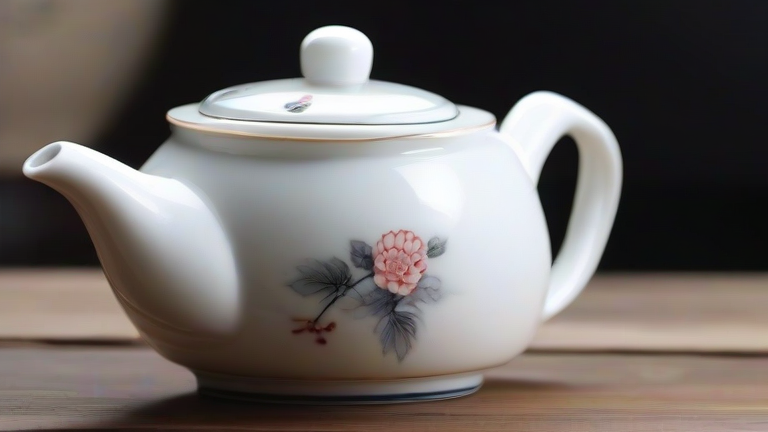
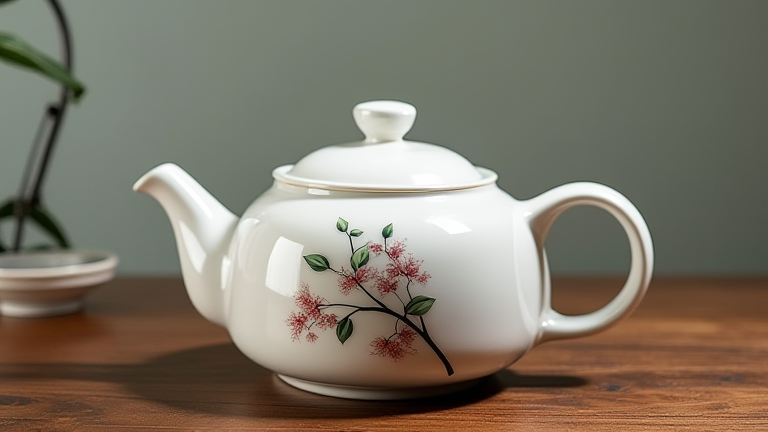
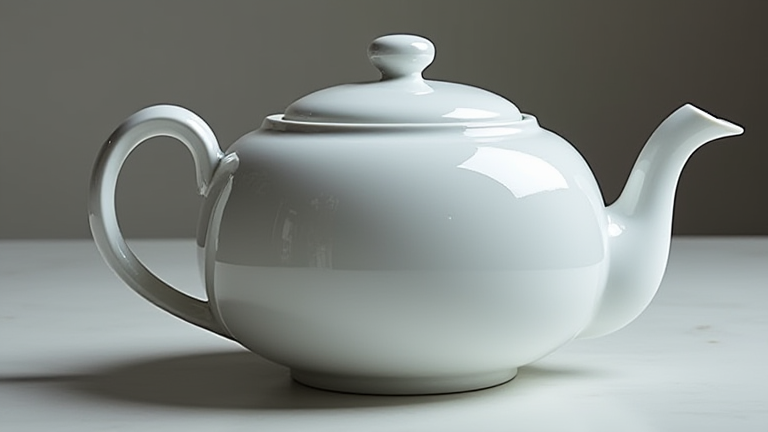
    The world of tea brewing is undergoing a quiet but significant transformation. While porcelain has long been the gold standard for tea ware due to its non-porous nature and ability to preserve delicate aromas, manufacturers are now embedding advanced technology into these traditional vessels. This fusion of heritage craftsmanship and digital innovation is creating a new category of kitchen appliances that appeal to both purists and tech enthusiasts. The latest developments focus on seamless integration, ensuring that the technology does not compromise the visual elegance or tactile experience of holding a classic teapot.

    If you want to dig deeper, check out our guide on Top 10 Home Decor Trends Redefining Modern Living.

    Key Specifications and Smart Features

    At the core of these tech-enhanced sets are high-precision PTC (Positive Temperature Coefficient) heating elements. Unlike standard electric kettles, smart porcelain teapots can maintain specific water temperatures with a tolerance of less than one degree Celsius. This is crucial for green and white teas, which require water between 175°F and 185°F to avoid scorching the leaves and releasing bitter tannins. Most top-tier units feature a digital interface on the base or a companion smartphone app that guides users through the brewing process.

    Connectivity is another major advancement. Many models support Wi-Fi and Bluetooth, allowing users to download proprietary tea profiles. For instance, a user can select “Sencha” on their app, and the teapot will automatically heat the water to the correct temperature, dispense it into the porcelain pot, and track the steeping time with audible or haptic alerts. Some premium sets also include built-in filtration systems, ensuring that tea leaves are fully contained within the porcelain chamber, preventing sediment in the final cup. Battery life for the control modules typically lasts several months on a single charge, with USB-C charging ports becoming the industry standard for convenience.

    Industry Impact and Market Trends

    The rise of smart porcelain teapots is impacting the broader kitchen appliance market by shifting focus from raw utility to experiential design. Consumers are increasingly willing to pay a premium for products that enhance the ritual of tea drinking rather than just the speed of water heating. This trend is driving collaborations between traditional ceramic artisans and tech firms, resulting in limited-edition sets that feature hand-painted porcelain exteriors housing state-of-the-art circuitry.

    Furthermore, this innovation is democratizing complex brewing techniques. Previously, mastering the art of gongfu cha or precise Japanese tea preparation required years of practice. Now, built-in algorithms guide novice users through the exact steps, effectively acting as a personal tea sommelier. The industry is also seeing a surge in sustainable manufacturing, with many brands using recycled porcelain materials and energy-efficient heating coils to reduce their carbon footprint. As smart home ecosystems expand, these teapots are beginning to integrate with larger networks, allowing users to trigger brewing cycles via voice commands from other smart devices, further embedding tea culture into the daily digital routine.

    FAQ

    Q: Can I still use these teapots if the technology fails?
    A: Yes, most smart porcelain teapots are designed with a manual override. The porcelain vessel itself remains functional for traditional brewing, and the heating base usually has a simple on/off switch that bypasses the smart features, allowing for basic boiling and pouring.

    Q: Are the electronic components safe for food contact?
    A: Absolutely. Reputable manufacturers ensure that all internal components, including heating elements and sensors, are fully encapsulated and isolated from the water path. The interior of the porcelain pot remains uncoated and food-safe, while the electronics are housed in the base or handle, ensuring no contact with the tea liquid.

    Q: How do I clean a tech-enhanced porcelain teapot?
    A: The porcelain body and lid are typically dishwasher safe, provided you remove any
    Related Articles

  • Elegant Porcelain Teapots & Tea Sets: Find Your Perfect Match

    Elegant Porcelain Teapots & Tea Sets: Find Your Perfect Match

    Elegant Porcelain Teapots & Tea Sets: Find Your Perfect Match

    TL;DR: The perfect porcelain teapot depends on whether you prioritize traditional craftsmanship or modern minimalist aesthetics. For most users seeking a balance of durability, elegance, and value, mid-range stoneware porcelain sets offer the ideal compromise.

    Porcelain teapots are not merely functional vessels; they are centerpieces that elevate the daily ritual of tea brewing. When selecting a set, the material quality is paramount. High-fired porcelain retains heat effectively while resisting absorption of flavors, ensuring that your oolong tastes as distinct as your black tea. Look for sets that feature a smooth, non-porous glaze. This not only enhances the visual appeal with a lustrous finish but also makes cleaning significantly easier after daily use. A well-crafted lid should sit flush against the rim, preventing heat loss and ensuring a secure fit without the risk of chipping.

    If you want to dig deeper, check out our guide on Porcelain Teapots & Health: Why It’s Safe for Brewing.

    Feature Highlights

    Key features to consider include the spout design, which dictates the pour control. A slender, curved spout offers precision for smaller cups, while a wider spout is better suited for serving larger mugs. The handle ergonomics are equally critical; a comfortable grip prevents hand fatigue during prolonged pouring sessions. Additionally, the matching saucers and cups should align in height and style to create a cohesive visual impact on your table setting.

    Comparisons

    When comparing traditional Oriental-style teapots to contemporary European designs, the differences are stark. Oriental styles often feature thicker walls and intricate hand-painted motifs, appealing to collectors and enthusiasts who value cultural heritage. In contrast, modern European porcelain sets tend to have thinner walls and cleaner lines, focusing on sleek, monochromatic elegance. While the traditional options may cost more due to artisan labor, the modern sets often provide better value for high-volume households due to their standardized manufacturing and durability.

    Call-to-Action

    Do not settle for a generic mug. Invest in a porcelain set that resonates with your personal style and enhances your morning routine. Browse our curated collection of hand-selected porcelain tea sets today and find the one that transforms your tea time into a moment of serene elegance. Your perfect match is waiting to be discovered.

    FAQ

    Q: Is porcelain safe for microwave and dishwasher use?
    A: Most high-quality porcelain sets are safe for both, but always check the manufacturer’s guidelines for specific temperature limits and glaze types to ensure long-term durability.

    Q: How should I clean a new porcelain teapot?
    A: Wash it with warm water and a mild soap before first use. Avoid using abrasive sponges that might scratch the glaze, and allow it to air dry completely to prevent moisture buildup.

    Q: Can I use a porcelain teapot for coffee?
    A: While possible, it is not recommended as coffee oils can stain the porous interior over time. Porcelain is best reserved for teas to maintain the purity of flavor and the aesthetic integrity of the vessel.

    Related Articles

  • Premium Porcelain Teapots & Tea Sets: The Ultimate Business Guide

    Premium Porcelain Teapots & Tea Sets: The Ultimate Business Guide

    Premium Porcelain Teapots & Tea Sets: The Ultimate Business Guide

    TL;DR: The premium porcelain tea market is driven by a global shift toward mindful living and high-end gifting, favoring brands that emphasize artisanal craftsmanship and sustainability. Success requires a hybrid strategy blending direct-to-consumer storytelling with selective wholesale partnerships to maximize margins and brand prestige.

    Market Analysis

    The global tea ware market is experiencing steady growth, with the premium segment expanding significantly faster than the commodity sector. Consumers are increasingly moving away from mass-produced plastic or standard ceramic items, seeking porcelain teapots and tea sets that offer both aesthetic value and functional durability. Porcelain, specifically, commands a higher price point due to its translucency, strength, and elegant finish. Market data indicates a strong preference for hand-painted designs and limited-edition collaborations. Furthermore, the rise of remote work has fueled demand for home office aesthetics, where a premium porcelain tea set serves as a statement piece that enhances the workspace ambiance. Key regions driving this demand include North America, Western Europe, and East Asia, where tea culture is either deeply rooted or rapidly evolving into a lifestyle trend. The target demographic is primarily affluent professionals aged 28 to 55, who value quality, sustainability, and unique design over low-cost convenience.

    If you want to dig deeper, check out our guide on Why the Quiet Luxury Trend Is Driving Demand for Cashmere.

    Strategy Insights

    To thrive in this competitive landscape, businesses must adopt a differentiation strategy focused on authenticity and exclusivity. First, invest in sourcing materials from renowned porcelain hubs such as Jingdezhen in China or Meissen in Germany, but distinguish your brand through unique glazing techniques or modern minimalist designs. Second, implement a strong digital marketing strategy that highlights the artisanal process. Video content showing the firing process or hand-painting details can significantly increase conversion rates by building emotional connections. Third, consider a B2B2C approach by partnering with high-end hotels, corporate gifting companies, and luxury department stores. These channels provide immediate credibility and steady bulk orders. Finally, prioritize sustainable packaging and carbon-neutral shipping to align with the values of eco-conscious premium buyers. Creating a subscription model for seasonal tea sets can also improve customer lifetime value and provide recurring revenue streams.

    Case Studies

    One notable example is a UK-based brand that pivoted from selling standard mugs to exclusively selling hand-thrown porcelain teapots. By leveraging Instagram influencers to showcase the teapots in sophisticated morning routines, they achieved a 40% increase in online sales within six months. Another case involves a Japanese company that collaborated with a famous fashion house to create a limited-edition porcelain tea set. This collaboration not only sold out in 24 hours but also positioned the brand as a leader in the luxury lifestyle space, allowing them to raise prices by 30% for subsequent collections. These examples demonstrate that storytelling and exclusivity are key drivers in the premium porcelain sector.

    FAQ

    Q: What is the average margin for premium porcelain tea sets?
    A: Margins typically range from 50% to 70% when sold direct-to-consumer, though wholesale margins are lower due to volume discounts.

    Q: How can small brands compete with established luxury players?
    A: Focus on niche design aesthetics, limited runs, and direct engagement with customers through social media to build a loyal community.

    Q: Is porcelain more durable than standard ceramic for daily use?
    A: Yes, high-quality porcelain is denser and less porous, making it more resistant to chipping and staining than standard earthenware.

    Related Articles

  • 7 Health Benefits of Drinking Tea from Porcelain Teapots

    7 Health Benefits of Drinking Tea from Porcelain Teapots

    7 Health Benefits of Drinking Tea from Porcelain Teapots

    TL;DR: Porcelain teapots provide a chemically inert surface that preserves the delicate antioxidants and polyphenols in tea, preventing unwanted reactions. Using high-quality porcelain ensures your beverage remains pure, allowing you to maximize the hydration, stress reduction, and metabolic benefits inherent in various tea varieties.

    In the world of wellness, the vessel you use to brew your beverage is often overlooked. However, science suggests that the material of your teapot can significantly impact the chemical composition of your final cup. Porcelain has emerged as the gold standard for tea enthusiasts seeking both aesthetic elegance and physiological benefits. Unlike glass, which may retain odors, or metal, which can react with tannins, porcelain offers a unique set of advantages for your health.

    If you want to dig deeper, check out our guide on Air Fryer Trend: Why Dehydrator Function Is Taking Over.

    Pure Flavor and Antioxidant Preservation

    The primary health benefit of using a porcelain teapot is the preservation of bioactive compounds. Porcelain is a non-porous, vitreous material. This means it does not absorb oils, flavors, or tannins from previous brews. When you brew green or white tea in a porcelain vessel, the catechins and polyphenols remain stable. These antioxidants are crucial for combating oxidative stress in the body. By preventing the leaching of metallic ions or the absorption of flavor into the pot walls, porcelain ensures that every sip contains the full spectrum of health-promoting phytonutrients.

    Thermal Stability for Optimal Brewing

    Proper brewing temperature is vital for extracting beneficial compounds without degrading them. Porcelain has excellent thermal stability, meaning it retains heat evenly without cracking or shattering under sudden temperature changes. This allows you to maintain the precise temperature required for different teas. For instance, green tea requires lower temperatures to prevent bitterness and preserve delicate nutrients. A porcelain teapot holds this heat consistently, ensuring that you extract the maximum amount of L-theanine, an amino acid known for promoting calm alertness and reducing cortisol levels, without over-extracting tannins.

    Hygiene and Safety

    Health also encompasses safety. Porcelain is fired at extremely high temperatures, creating a sealed surface that is resistant to bacteria and mold growth. This is particularly important for individuals with compromised immune systems or those prone to gastrointestinal issues. Unlike clay or ceramic pots that may harbor micro-pores where bacteria can thrive, a well-glazed porcelain teapot is easy to sanitize. This hygiene aspect reduces the risk of foodborne illness, ensuring that your daily tea ritual remains a safe source of hydration and comfort.

    Mindfulness and Stress Reduction

    The act of using a beautiful, durable porcelain tea set can enhance the mind-body connection. The smooth texture and elegant design of porcelain teapots encourage a slower, more intentional brewing process. This mindfulness practice lowers heart rate and blood pressure, contributing to overall mental wellness. The tactile experience of holding a warm porcelain pot can be grounding, helping to anchor you in the present moment and reduce anxiety levels.

    Furthermore, the durability of porcelain means your teapot can last for decades. This sustainability aspect contributes to a sense of environmental well-being, knowing that your choice reduces waste and supports long-term usage. By investing in a high-quality porcelain tea set, you are not just buying a product; you are adopting a lifestyle choice that prioritizes purity, precision, and peace.

    FAQ

    Q: Does porcelain react with acidic tea components?
    A: No, porcelain is chemically inert and highly resistant to acids, ensuring that the pH level and chemical integrity of your tea remain unchanged during brewing.

    Q: How does porcelain compare to clay in terms of health benefits?
    A: While clay can impart specific earthy flavors, it is porous and can retain bacteria. Porcelain is non-porous, making it more hygienic and better at preserving the original, unaltered antioxidant profile of the tea leaves.

    Q: Can I use porcelain teapots for herbal infusions?
    A: Yes

    Related Articles

  • Elevate Your Home: Stylish Porcelain Teapots & Tea Sets

    Elevate Your Home: Stylish Porcelain Teapots & Tea Sets

    TL;DR: Investing in high-quality porcelain teapots transforms your daily tea ritual into a sophisticated act of self-care, blending aesthetic elegance with functional durability. By choosing a set that resonates with your personal style, you create a focal point that elevates both your home decor and your cultural appreciation for the art of tea.

    The Art of Slow Living in Your Living Room

    In an era dominated by digital noise and rapid consumption, the act of brewing tea offers a rare moment of pause. It is a practice that invites mindfulness, allowing you to connect with the present moment through the sensory experience of aroma, warmth, and taste. Central to this ritual is the vessel itself. While many homeowners view tableware as purely functional, a beautifully crafted porcelain teapot serves as a bridge between utility and art. It is not merely a container for leaves and water; it is a statement piece that reflects your personal growth and appreciation for craftsmanship.

    If you want to dig deeper, check out our guide on Top 10 Home Decor Trends Redefining Modern Living.

    Why Porcelain is the Gold Standard

    Porcelain has been revered for centuries across cultures, from the ancient kilns of China to the royal courts of Europe. Its popularity in modern tea sets is no accident. Unlike ceramic or stoneware, porcelain is non-porous, which means it does not absorb flavors or odors. This ensures that the pure, delicate notes of a white tea or the boldness of a black tea remain intact, unaltered by previous brews. Furthermore, the translucency and smooth finish of fine porcelain allow light to pass through, creating a subtle glow that enhances the visual appeal of the tea itself. When you select a porcelain set, you are choosing durability and purity. The material is resistant to chipping and easy to maintain, making it a practical choice for those who value both beauty and longevity in their household items.

    Curating a Set That Tells Your Story

    Choosing the right tea set is a form of interior design. It should complement your existing decor while adding a layer of depth and character. Consider the color palette of your dining space. Neutral tones such as cream, ivory, or soft grey offer timeless elegance, blending seamlessly with minimalist or modern interiors. Conversely, bold patterns or vibrant glazes can serve as a conversation starter, injecting energy into a neutral room. Beyond color, pay attention to the shape and handle design. A teapot with an ergonomic handle ensures comfort during the pouring process, while the size of the cup should allow for a comfortable grip. A well-designed set encourages you to slow down, to appreciate the weight of the cup in your hand and the precision of the pour. This attention to detail fosters a deeper connection with the tea drinking experience, turning a simple beverage into a meditative practice.

    Ultimately, elevating your home with stylish porcelain teapots is about creating a sanctuary. It is about honoring the traditions of tea culture while adapting them to your modern lifestyle. Whether you are hosting a formal gathering or enjoying a quiet moment with a cup of chamomile before bed, the right tea set sets the tone. It reminds you that beauty is not just found in grand gestures, but in the small, intentional choices we make every day. By investing in quality porcelain, you are investing in a richer, more mindful way of living.

    FAQ

    Q: Are porcelain teapots suitable for all types of tea?
    A: Yes, porcelain is ideal for all tea types because it is non-porous and does not retain previous flavors, ensuring each brew tastes pure.

    Q: How should I care for my porcelain tea set to maintain its shine?
    A: Hand wash the pieces with mild dish soap and a soft sponge, avoiding abrasive scrubbers that can scratch the glaze, and dry them thoroughly to prevent water spots.

    Q: What is the best way to integrate a tea set into a modern home decor style?
    A: Choose a set with clean lines and a neutral or monochromatic color scheme to blend seamlessly, or use a bold pattern as a statement accent piece on a neutral background.

    Related Articles

  • Notion Beginner Guide: Master Your Workspace in 15 Minutes

    Notion Beginner Guide: Master Your Workspace in 15 Minutes

    Notion Beginner Guide: Master Your Workspace in 15 Minutes

    TL;DR: Organize your porcelain teapot inventory by creating a dedicated database with specific properties for material, origin, and care instructions. Use Notion’s nested pages to store brewing recipes and maintenance logs, ensuring your tea collection is both visually appealing and functionally managed.

    Step 1: Set Up Your Core Database

    Begin by creating a new page titled “Tea Collection Master.” Inside, select the database option and choose “Table View” for clarity. Your first goal is to catalog your porcelain teapots. Add columns for “Name,” “Image,” “Origin,” “Capacity,” and “Price.” The “Image” property is crucial; upload high-resolution photos of each teapot to create a visual catalog. This step transforms a simple list into a digital showroom, allowing you to instantly identify which Yixing-inspired porcelain piece you are using for a specific session. Ensure the “Capacity” column is set to “Number” format so you can later filter by size when hosting guests.

    If you want to dig deeper, check out our guide on Porcelain Teapot Buying Guide: How to Choose the Perfect Tea.

    Step 2: Define Care and Maintenance Properties

    Porcelain requires specific care to maintain its glaze and integrity. Add a “Status” select property with options like “Clean,” “Needs Scrubbing,” or “Cracked.” Create a “Last Cleaned” date property to track hygiene. For each teapot, add a “Care Notes” text field where you can record specific instructions, such as “Do not use abrasive sponges” or “Air dry immediately.” This proactive approach prevents common mistakes that could damage expensive heirloom pieces. You can also add a “Condition” rating from 1 to 5 to monitor wear over time, helping you decide when to replace a set or seek professional restoration.

    Step 3: Link Brewing Recipes

    Each teapot pairs best with certain teas. Create a separate database called “Tea Recipes” with properties for “Tea Type,” “Water Temperature,” and “Steep Time.” Now, go back to your Teapot database and add a “Related” property linking to the Tea Recipes database. This bidirectional link is powerful. When you open a specific teapot page, you will see all compatible recipes. For example, a delicate white porcelain pot might be linked to green tea recipes requiring lower temperatures, while a thicker-walled pot is linked to robust black teas. This saves time and ensures optimal flavor extraction every time.

    Step 4: Create a Quick-Start Template

    To speed up future entries, create a template within the Teapot database. Name it “New Porcelain Acquisition.” Inside the template, pre-fill standard care instructions and add a checklist for “Unboxing Inspection.” This checklist can include verifying no chips, checking the lid fit, and taking initial photos. By using templates, you standardize your data entry process, ensuring no critical details are missed when you buy a new set. This consistency is vital for long-term inventory management.

    Step 5: Visualize with Gallery View

    Finally, create a “Gallery View” of your Teapot database. In this view, the “Image” property becomes the primary focus. Adjust the card size to highlight the aesthetic beauty of each piece. Add a filter to show only “Available” teapots, hiding those currently in use or being cleaned. This view is perfect for quick reference before a tea ceremony. You can also use this view to share your collection with guests, showcasing the provenance and beauty of your porcelain sets without overwhelming them with data.

    FAQ

    Q: Can I track tea leaves in the same workspace?
    A: Yes, create a separate “Tea Leaf Inventory” database and link it to your recipes for comprehensive tracking.

    Q: How do I handle damaged teapots?
    A: Change the “Status” to “Cracked” and use the “Care Notes” field to document the damage and repair attempts.

    Q: Is

    Related Articles

  • Handmade Porcelain Teapots & Tea Sets: Ultimate Buying Guide

    Handmade Porcelain Teapots & Tea Sets: Ultimate Buying Guide

    TL;DR: Handmade porcelain teapots offer superior heat retention and aesthetic elegance compared to mass-produced alternatives. This guide highlights top features and comparisons to help you select the perfect set for your brewing rituals.

    Introduction to Artisan Porcelain

    In the world of tea culture, the vessel is as important as the leaf. Handmade porcelain teapots and tea sets represent the pinnacle of craftsmanship, blending functional engineering with artistic expression. Unlike factory-produced ceramics, artisan pieces are shaped by skilled hands, ensuring unique glaze finishes and precise structural integrity that enhances the drinking experience. For enthusiasts seeking a deeper connection to their tea ritual, investing in a high-quality porcelain set is a decision that pays dividends in both performance and visual appeal every single day.

    If you want to dig deeper, check out our guide on Air Fryer Trend: Why Dehydrator Function Is Taking Over.

    Key Feature Highlights

    When evaluating a handmade porcelain teapot, several critical features determine its quality. First, consider the thickness of the walls. Premium porcelain is typically thin-walled, which allows for rapid heat transfer. This ensures your water reaches the optimal steeping temperature quickly and maintains it throughout the brewing process, preserving the delicate nuances of green and white teas. Second, examine the lid fit. A well-crafted lid should sit flush against the rim without gaps, creating a tight seal that retains aroma. Finally, look for the glaze quality. A high-fired, lead-free glaze provides a non-porous surface that does not absorb flavors, allowing you to switch between different tea types without residual taste contamination. The weight and balance of the handle are also crucial for ergonomic comfort during repeated pouring sessions.

    Comparing Popular Styles

    Choosing between different styles can be daunting. Traditional Yixing-inspired shapes in porcelain offer excellent heat retention but may require more careful handling due to their larger capacity. In contrast, smaller, minimalist teapots are ideal for single-serve sessions, offering quicker steeping times and easier cleaning. When comparing brands, look for those that specify the firing temperature. Teapots fired at higher temperatures result in a denser, more durable ceramic that is less prone to cracking under thermal shock. Additionally, compare the inclusion of accessories. Some sets include matching cups and trays, providing a cohesive aesthetic, while others focus solely on the pot. If you prioritize presentation for guests, a full set is recommended. If you prioritize daily practicality, a standalone pot with a separate strainer might be more efficient. Always check customer reviews for long-term durability reports, as handmade items can vary slightly in consistency.

    Why Choose Handmade?

    The primary advantage of handmade porcelain lies in its uniqueness and longevity. Each piece is a singular artifact, often signed by the artisan, adding a personal touch to your kitchenware collection. Furthermore, the attention to detail in handmade pieces often results in better filtration and pouring dynamics. The spouts are shaped to minimize drips and maximize flow control, a feature that is often compromised in mass manufacturing. By supporting artisan makers, you also contribute to the preservation of traditional ceramic techniques that have been passed down through generations. This investment not only serves your immediate brewing needs but also preserves cultural heritage.

    Call to Action

    Ready to elevate your tea experience? Browse our curated selection of handmade porcelain teapots and tea sets today. We offer a wide range of styles, sizes, and glazes to suit every preference and budget. Do not settle for generic ceramics when you can have a masterpiece. Visit our shop now to explore the latest collections from renowned artisans. Enjoy free shipping on orders over fifty dollars and our satisfaction guarantee. Your perfect tea companion is waiting for you. Click the link below to start your search and transform your daily ritual into a moment of luxury and mindfulness. Shop now and discover the difference that true craftsmanship makes.

    FAQ

    Q: Is porcelain safe for brewing all types of tea?
    A: Yes, high-quality porcelain is non-porous and chemically inert, making it safe for all teas from delicate greens to robust blacks.

    Q: How should I clean a handmade porcelain teapot?
    A: Wash with warm water and a soft sponge. Avoid abrasive cleaners

    Related Articles

  • How Porcelain Teapots Boost Tea Health: Benefits & Tips

    How Porcelain Teapots Boost Tea Health: Benefits & Tips

    TL;DR: Porcelain teapots enhance tea health by maintaining precise brewing temperatures and preserving the delicate chemical compounds in leaves, which maximizes antioxidant extraction. Choosing a high-quality porcelain vessel ensures a non-reactive brewing environment that keeps your tea pure, flavorful, and free from unwanted metallic tastes.

    The Science of Inert Materials

    The material of your teapot is not merely aesthetic; it is a critical functional component that influences the chemical stability of your beverage. Porcelain is a ceramic material that is fired at very high temperatures, resulting in a dense, non-porous, and chemically inert surface. Unlike lower-quality earthenware or certain metals, high-grade porcelain does not leach minerals or absorb odors. This inertness is scientifically significant because it prevents the oxidation of catechins and other polyphenols in green and white teas, which are highly sensitive to environmental changes. By keeping the tea in a neutral container, you preserve the integrity of these health-promoting compounds, ensuring that the antioxidants you consume are at their peak potency.

    If you want to dig deeper, check out our guide on Elevate Your Home: Stylish Porcelain Teapots for Modern Tea .

    Thermal Retention and Extraction Efficiency

    Proper extraction of nutrients relies heavily on temperature consistency. Porcelain has excellent thermal mass properties, meaning it heats up slowly and retains heat evenly. This characteristic is vital for delicate teas that require specific steeping temperatures to release their full health benefits without becoming bitter or astringent. For instance, green tea is best brewed at lower temperatures to preserve its L-theanine content and delicate amino acids. A porcelain teapot helps maintain this stable thermal environment throughout the brewing process. In contrast, glass or thin ceramic pots may lose heat too quickly, leading to under-extraction of beneficial compounds. The uniform heat distribution of a quality porcelain teapot ensures that every leaf is steeped consistently, maximizing the yield of caffeine, vitamins, and minerals.

    Lifestyle Tips for Optimal Tea Health

    To fully leverage the benefits of a porcelain teapot, adopt a few mindful habits. First, always use fresh, filtered water, as porcelain’s smooth surface makes it easy to clean, preventing the buildup of tannins that can alter taste and nutrient profiles. Second, avoid stacking different tea types in the same pot; while porcelain does not absorb strong odors like unglazed clay, mixing flavors can still compromise the sensory experience and perceived purity of the brew. Finally, invest in a complete porcelain tea set, including matching cups, to maintain thermal consistency from pot to cup. This holistic approach to tea preparation transforms a simple ritual into a scientifically sound health practice, ensuring that every sip delivers the maximum potential of the tea’s natural goodness.

    FAQ

    Q: Is porcelain safer than glass for brewing tea?
    A: Both are safe, but porcelain offers superior thermal retention and is less prone to breakage, which helps maintain optimal brewing temperatures for nutrient extraction.

    Q: Can I brew herbal teas in a porcelain teapot?
    A: Yes, porcelain is versatile and suitable for herbal teas, as its neutral surface prevents any interference with the strong aromas and medicinal properties of the herbs.

    Q: How should I clean a porcelain teapot to keep it hygienic?
    A: Rinse with hot water immediately after use and allow it to air dry; avoid using soap as the non-porous surface prevents odor retention, ensuring a clean brewing environment.

    Related Articles

  • Why the Quiet Luxury Trend Is Driving Demand for Cashmere

    Why the Quiet Luxury Trend Is Driving Demand for Cashmere

    Why the Quiet Luxury Trend Is Driving Demand for Cashmere

    TL;DR: The quiet luxury trend prioritizes understated elegance and tactile comfort, driving consumers to seek high-quality natural materials like cashmere over loud logos. This shift reflects a desire for enduring value and sensory richness, aligning with a broader move toward mindful consumption and personal well-being.

    The global fashion and lifestyle industry is undergoing a subtle but profound transformation. As post-pandemic consumers reassess their values, the era of conspicuous consumption is giving way to “quiet luxury.” This movement favors high-quality craftsmanship, neutral palettes, and timeless design over transient trends. Within this context, demand for cashmere has surged, not merely as a fashion staple, but as a symbol of refined, accessible opulence. Unlike synthetic alternatives or lower-grade wools, cashmere offers a unique combination of warmth, lightness, and durability that resonates with the core tenets of this emerging aesthetic.

    If you want to dig deeper, check out our guide on Elevate Your Home: The Art of Porcelain Teapots & Tea Sets.

    Market Dynamics and Consumer Behavior

    Market data indicates a significant rise in premium apparel sales, with cashmere products leading the growth in the luxury segment. According to recent industry reports, the global cashmere market is projected to grow at a CAGR of 5.2% through 2030. This growth is driven by increasing disposable incomes in emerging markets and a renewed appreciation for natural fibers among Western consumers. Brands that emphasize transparency in sourcing and ethical production are seeing higher engagement rates, as consumers increasingly link luxury with responsibility. The tactile nature of cashmere appeals to the sensory deprivation experienced during recent years; the material provides a comforting, physical connection that digital interactions cannot replicate.

    Expert insights suggest that this trend is not just about clothing but about a holistic lifestyle shift. “Quiet luxury is about the feel of the fabric against the skin,” says Elena Rossi, a senior textile analyst. “It’s an investment in daily comfort rather than a statement of status. Cashmere, being the king of softness, perfectly embodies this philosophy.” This perspective highlights how the material has transcended seasonal wear to become a year-round essential, integrated into layering strategies that prioritize versatility and understatement.

    Future Predictions and Industry Adaptation

    Looking ahead, the industry is expected to innovate around sustainability and traceability. Consumers will demand greater transparency regarding the origin of fibers, pushing brands to implement blockchain technology for supply chain verification. Additionally, we anticipate a rise in hybrid materials that blend cashmere with recycled fibers, aiming to reduce environmental impact without compromising quality. The quiet luxury trend will likely continue to drive demand for premium natural fibers, with cashmere remaining a central pillar due to its unparalleled comfort and prestige. Brands that fail to adapt to these ethical and quality-focused expectations may find themselves sidelined as consumer loyalty shifts toward more conscientious options.

    FAQ

    Q: How does the quiet luxury trend differ from previous luxury trends?
    A: Unlike previous trends that emphasized visible logos and bold designs, quiet luxury focuses on understated quality, minimal branding, and exceptional material craftsmanship, prioritizing intrinsic value over external display.

    Q: Why is cashmere specifically popular in the quiet luxury movement?
    A: Cashmere is popular because it offers superior softness, warmth, and durability, providing a tactile experience that aligns with the trend’s emphasis on comfort, longevity, and refined simplicity.

    Q: What role does sustainability play in the future of cashmere demand?
    A: Sustainability is becoming a critical factor, as consumers increasingly demand ethical sourcing and environmental responsibility, driving brands to adopt transparent supply chains and innovative, eco-friendly production methods.

    Related Articles

  • Elevate Your Tea Ritual: The Timeless Elegance of Porcelain Teapots

    Elevate Your Tea Ritual: The Timeless Elegance of Porcelain Teapots

    Elevate Your Tea Ritual: The Timeless Elegance of Porcelain Teapots

    TL;DR: Porcelain teapots offer superior heat retention and neutral flavor profiles, ensuring your tea tastes exactly as intended. Investing in a high-quality porcelain set transforms a simple beverage break into a moment of mindfulness and aesthetic pleasure.

    In a world saturated with digital noise and rapid consumption, the act of brewing tea offers a rare pause. While many vessels can hold hot water, few do so with the grace and functionality of a porcelain teapot. This material, prized for centuries in East Asian cultures, is not merely decorative; it is a functional tool that enhances the sensory experience of drinking tea. The smooth, non-porous surface of fine porcelain prevents the absorption of oils and aromas from previous brews, allowing the delicate nuances of green, white, or oolong teas to shine without interference. Unlike clay, which can impart an earthy taste, porcelain remains neutral, acting as a blank canvas for the leaf itself.

    If you want to dig deeper, check out our guide on Top 10 Ergonomic Office Chairs for Back Pain Relief.

    The Aesthetic and Practical Balance

    The elegance of a porcelain teapot lies in its ability to bridge the gap between utility and art. A well-crafted teapot features a balanced weight, a spout that pours without dripping, and a lid that fits snugly to retain aroma. When selecting a set, consider the thickness of the walls; thinner porcelain heats up quickly but cools faster, while thicker varieties keep drinks warmer for longer. For those seeking to elevate their home decor, a matching set—comprising a teapot, cups, and perhaps a tray—creates a cohesive visual statement. The glossy finish of high-fired porcelain reflects light beautifully, adding a touch of sophistication to any dining table. Whether you are hosting guests or enjoying a solitary moment, the ritual of pouring from a beautiful vessel slows the pace of life, encouraging you to savor the steam, the color, and the taste. It is a small, daily act of self-care that acknowledges the beauty in everyday objects.

    FAQ

    Q: Is porcelain safe for all types of tea?
    A: Yes, porcelain is chemically inert and safe for all teas, making it ideal for delicate greens and robust blacks alike.

    Q: How should I clean a porcelain teapot to maintain its finish?
    A: Rinse with warm water and a mild, non-scented soap, avoiding abrasive sponges to preserve the glaze and luster.

    Q: Can I microwave a porcelain teapot?
    A: Only if the manufacturer specifies it is microwave-safe; otherwise, use a kettle to heat water and pour into the pot.

    Related Articles