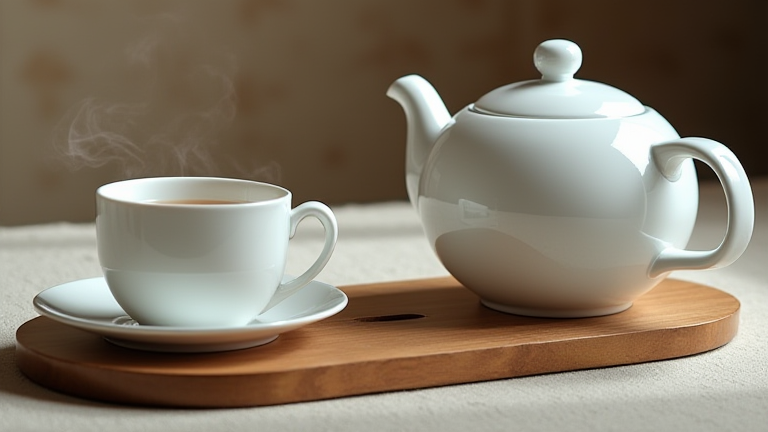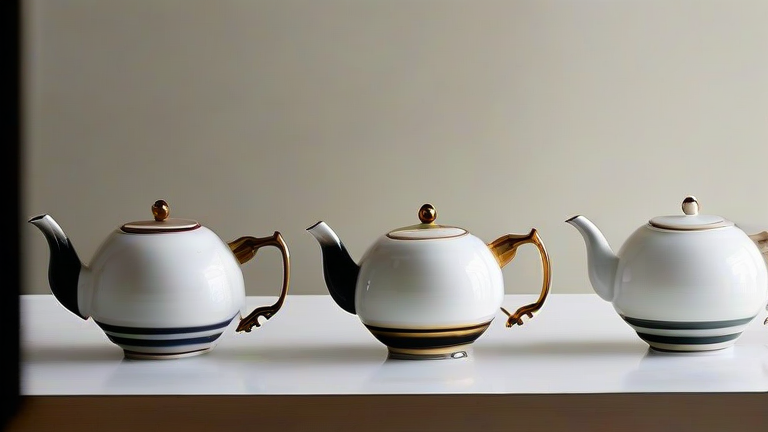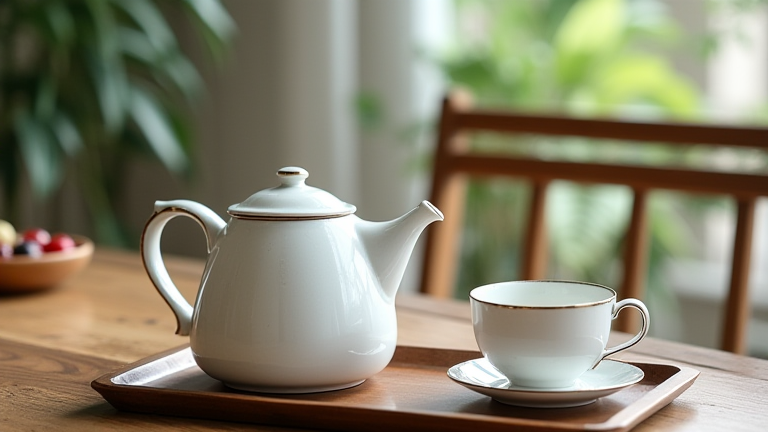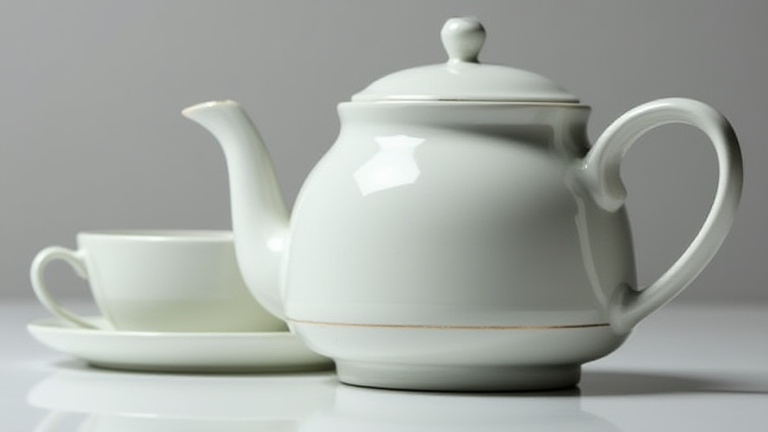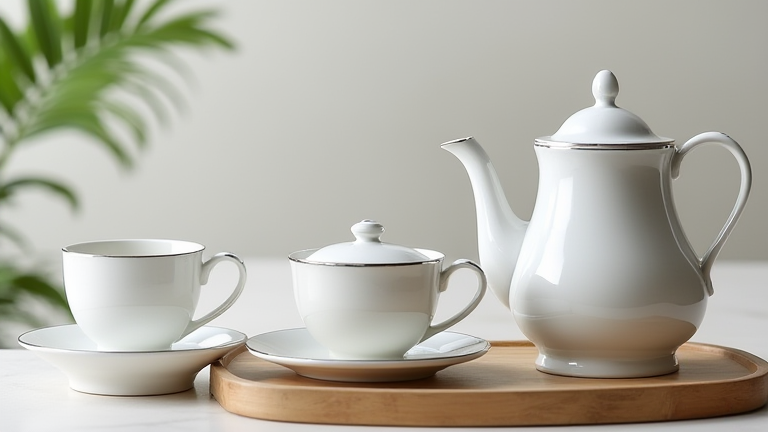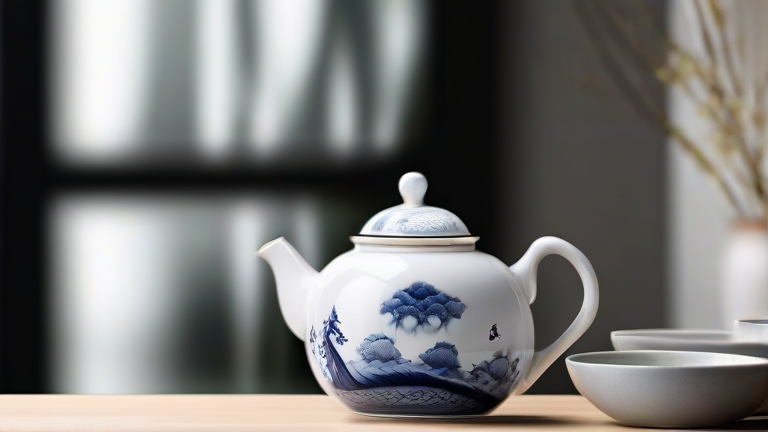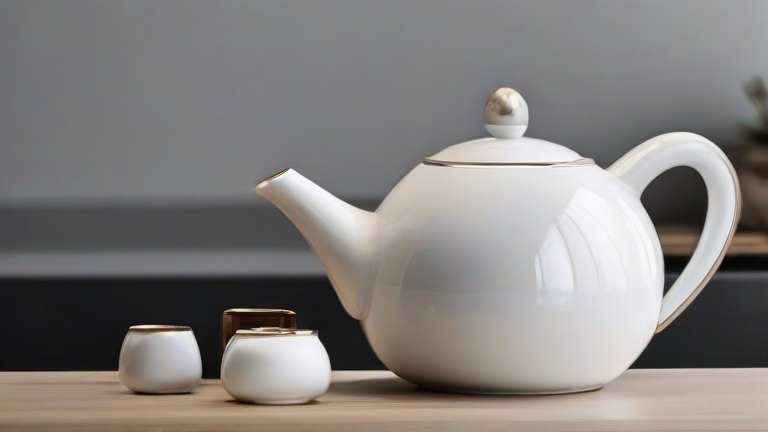
TL;DR: Stylish porcelain teapots and sets transform your daily tea ritual into a mindful, cultural experience—elevating both your home’s aesthetic and your personal well-being. Choose a set that reflects your lifestyle, from minimalist Japanese kyusu-inspired designs to ornate English bone china, and you’ll turn a simple brew into a daily act of self-care.
The Art of the Pour: Why Porcelain Matters
In a world of hurried coffee cups and disposable tea bags, a porcelain teapot is a quiet rebellion. It’s not just a vessel—it’s a meditation on temperature, patience, and craft. Porcelain’s high-fired, non-porous clay retains heat evenly without imparting flavor, allowing delicate white teas or robust oolongs to unfold exactly as the grower intended. When you lift a hand-painted pot, you’re not just brewing; you’re participating in a tradition that spans dynasties and continents. For the traveler, a porcelain set is a portable souvenir of a place—say, a Jingdezhen blue-and-white pot that echoes the Yangtze River’s mist, or a Portuguese Vista Alegre set that whispers of Lisbon’s azulejo tiles. That cultural connection turns your kitchen counter into a global crossroads.
If you want to dig deeper, check out our guide on Porcelain Teapot Health Benefits: Why It’s the Safest Choice.
Styling Your Ritual: From Shelf to Table
Elevating your home doesn’t require a full renovation—just a thoughtful tea corner. Choose a set with a sculptural silhouette (think faceted sides or a bamboo-handled lid) and let it live on an open shelf, not hidden in a cabinet. Pair it with mismatched ceramic cups for an artful, lived-in look, or commit to a matching trio for formal afternoons. The tactile joy is part of the growth: slowing down to warm the pot, rinse the leaves, and pour in a low, continuous stream forces you to breathe. For personal growth, treat the brewing process as a micro-retreat. Set a timer, silence your phone, and let the aroma of jasmine or smoky Lapsang Souchong anchor you in the present. A stylish set isn’t decoration—it’s a daily appointment with yourself.
Choosing Your Set: Function Meets Fantasy
When shopping, look for a spout that doesn’t drip (test with water), a lid that fits snugly, and a handle that stays cool. For daily use, a 500–700ml pot suits two to three cups. For slow weekends, invest in a gaiwan-style bowl for gongfu cha—it’s a hands-on, theatrical experience. Don’t shy from bold glazes: celadon greens, crackle ice-white, or matte black with gold rim. These pieces are heirlooms in the making. Remember, a teapot is not a passive object; it’s a conversationalist. It invites guests to linger, asks them to sip, and quietly reminds you that beauty and utility can coexist—just like a well-lived life.
FAQ
Q: How do I clean a porcelain teapot without ruining its glaze?
A: Rinse immediately with warm water and a soft sponge; avoid soap if possible, as it can absorb into porous unglazed interiors. For stains, use a paste of baking soda and water, then rinse thoroughly. Never microwave porcelain with metallic accents.
Q: Can I use a porcelain teapot on a gas or induction stove?
A: No—porcelain is not meant for direct heat. Always pre-boil water separately, then pour it into the pot to warm it. For continuous brewing, use a tea warmer (candle or electric) under the pot instead of a stovetop.
Q: What’s the difference between porcelain and ceramic for tea?
A: Porcelain is a type of ceramic fired at higher temperatures (above 1,200°C), making it denser, more vitrified, and less porous than standard earthenware. This means no flavor ghosting between teas, better heat retention, and a