TL;DR: The luxury porcelain teapot market is growing at 6.2% CAGR, driven by wellness culture and premium home entertaining. Brands that blend heritage craftsmanship with modern minimalism capture higher margins by selling ritual, not just ceramic.
Market Analysis: The Ritual Economy
The global luxury tableware segment, valued at $8.4 billion in 2024, sees porcelain teapots outperforming bone china and stoneware. Key drivers: (1) the slow living movement post-pandemic, (2) Gen Z’s shift from coffee to ceremonial tea (matcha, oolong), and (3) hospitality’s rebranding of afternoon tea as an “experience.” Price points for artisanal sets range from $120 (entry) to $1,500+ (limited editions). Notably, Japanese tokoname and French Limoges still dominate prestige, but Vietnamese and Portuguese studios are disrupting mid-tier with 40% lower labor costs without sacrificing translucency.
If you want to dig deeper, check out our guide on Top 10 Porcelain Teapots & Tea Sets for Elegant Brewing.
Strategy Insights: Sell the Pour, Not the Pot
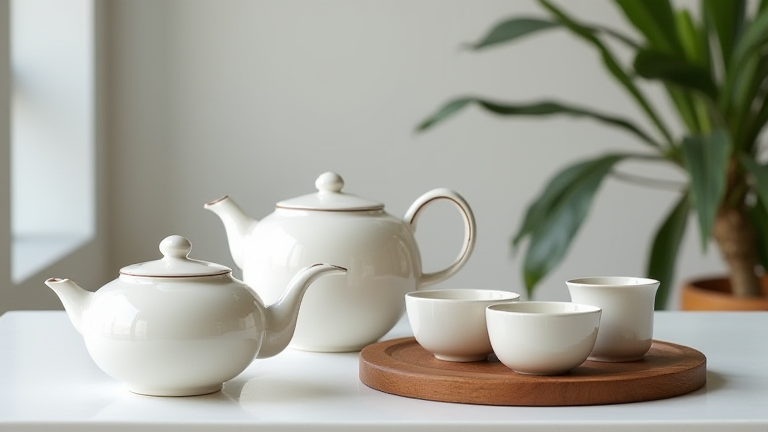
Successful brands use a three-tier strategy. First, scarcity via numbered editions. Example: Nymphenburg released a 100-piece “Hanami” set with hand-painted cherry blossoms, selling out in 72 hours at $890 each. Second, functional theater. Add features like a built-in infuser basket with a 360° lid lock—this justifies premium pricing when paired with a matching cup warmer. Third, subscription aftercare. Offer a “re-glazing service” for $45 per piece, which boosts retention and creates a recurring revenue stream. Avoid competing on capacity (e.g., “6-cup”)—instead, market “single-origin tasting sets” with three small pots (100ml each) for tea flights.
Case Studies: Winning Formulas
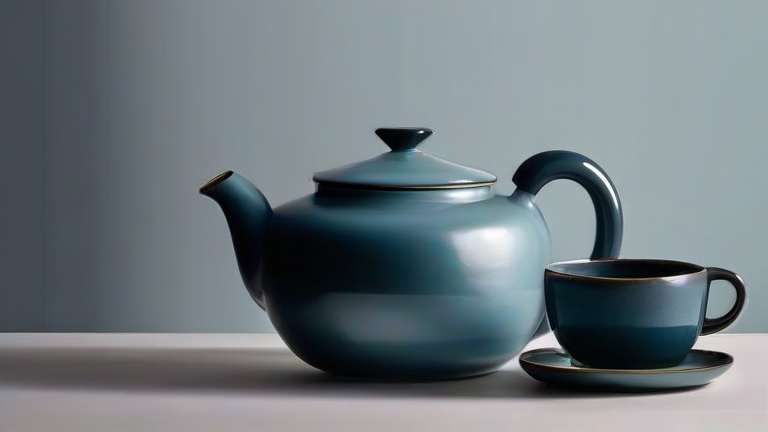
Case 1: Teasthetic (UK) — A startup that uses AI-generated glaze patterns (marbled blues) sold 2,000 sets in Q1 2025 via TikTok live pours. Their insight: video of hot water swirling in a translucent cup outperforms static product photos by 340% in conversion. Case 2: Minamoto Kiln (Kyoto) — Faced with declining domestic demand, they partnered with luxury hotels to offer “tea sommelier evenings.” Each set includes a QR code linking to a 10-minute guided brewing video. Hotel orders now account for 60% of revenue, at a 45% gross margin.
Operational Pitfalls to Avoid
Porcelain’s fragility increases return rates to 8% vs. 3% for steel. Mitigate by using double-wall foam packaging and offering “chip guarantee” replacements for 12 months. Also, beware of over-glazing—matte finishes are trending (up 27% on Pinterest), but they stain easily. Test with black tea for 30 days before mass production.
FAQ
Q: What is the ideal price point for a luxury porcelain teapot set in 2025?
A: $200–$400 for a 3-piece set (pot, two cups) is the sweet spot for gifting; above $600 requires provenance (named artist, kiln history) or a functional innovation like self-heating bases.
Q: Should I focus on traditional patterns or contemporary designs?
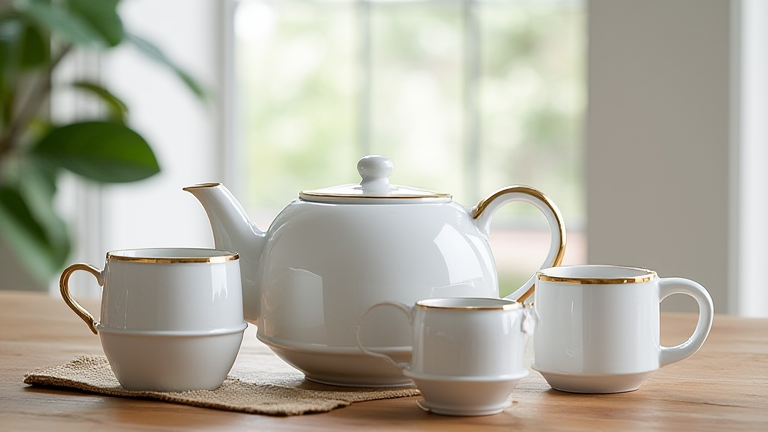
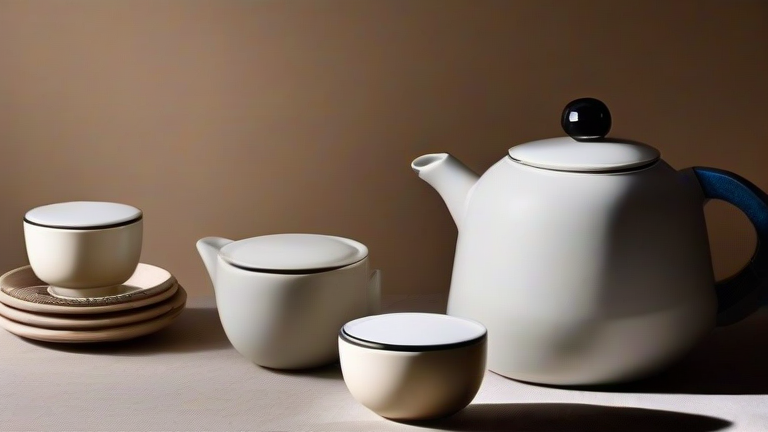
A: Split inventory—70% contemporary (minimalist, earth tones) for urban buyers, 30% heritage (blue willow, gold trim) for collectors over 55. Contemporary sets sell 2.1x faster but heritage sets have 3x repeat purchase rates.
Q: How do I compete against mass-produced brands like Teavana or Amazon basics?
A: Emphasize thickness (under 2.5mm for fine porcelain) and firing temperature (above 1300