Blog

  • Elevate Your Ritual: The Timeless Charm of Porcelain Teapots

    Elevate Your Ritual: The Timeless Charm of Porcelain Teapots

    TL;DR: Porcelain teapots transform a daily caffeine fix into a mindful ceremony, blending heat retention with tactile elegance. They are the quiet luxury that turns your kitchen counter into a personal tea house, one slow pour at a time.

    The Art of the Slow Pour

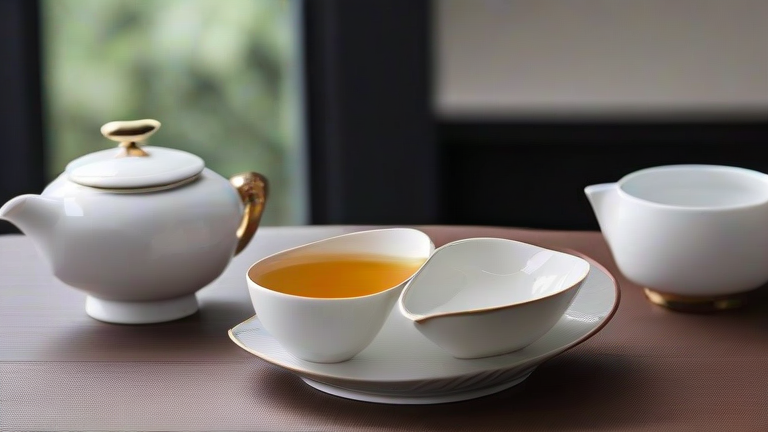
    In a world that rewards speed, the porcelain teapot is a gentle rebellion. Unlike cast iron or glass, porcelain does not just hold tea—it cradles it. The material’s molecular density allows for even heat distribution, meaning your oolong or white tea steeps uniformly, releasing nuanced floral notes that a hurried mug never captures. But the real magic lies in the ritual: the weight of the lid, the whisper of the spout, the deliberate tilt of your wrist. Each motion slows your breath, turning a Tuesday morning into a small act of self-respect.

    If you want to dig deeper, check out our guide on Top 10 Porcelain Teapots & Sets for Business Gifting.

    Why Porcelain, Why Now?

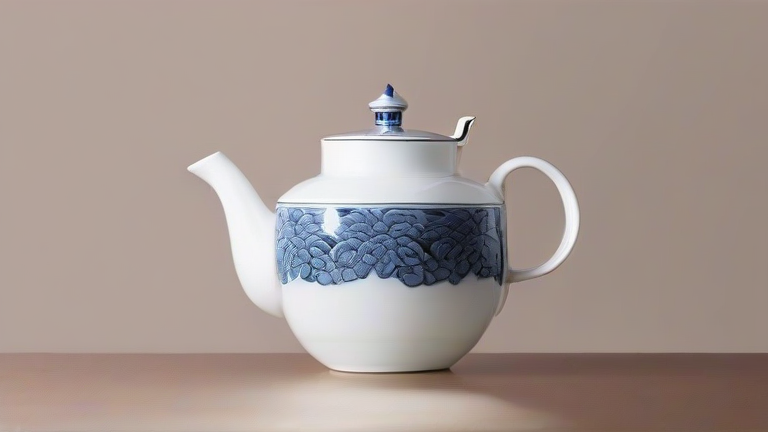
    Travel bloggers and minimalist chefs have long championed the Japanese kyusu or the Chinese gaiwan, but the classic porcelain teapot—with its hand-painted cobalt or celadon glaze—offers something else: a bridge between cultures. Whether you are brewing a smoky Lapsang Souchong in a London flat or a jasmine pearl in a Brooklyn loft, the porcelain vessel adapts. It does not absorb flavors like unglazed clay, so you can switch from a robust black tea to a delicate green without ghosting the next cup. This neutrality is its superpower. It is also dishwasher-safe (if you avoid gold trim), making it a practical heirloom for busy lives.

    A Personal Growth Angle: Patience as a Flavor

    Using a porcelain teapot teaches you something about timing. You cannot rush a proper second infusion. You must wait for the water to drop from a rolling boil to 85°C (185°F) for green teas. That three-minute pause is not wasted—it is a meditation. Over weeks, this micro-practice rewires your relationship with waiting. You learn that the best aromas emerge only after you stop checking your phone. In a culture obsessed with instant gratification, a teapot becomes a tiny monastery. And when you pour for a friend, the act becomes hospitality—not performance, but presence.

    Choosing Your Vessel: Form and Function

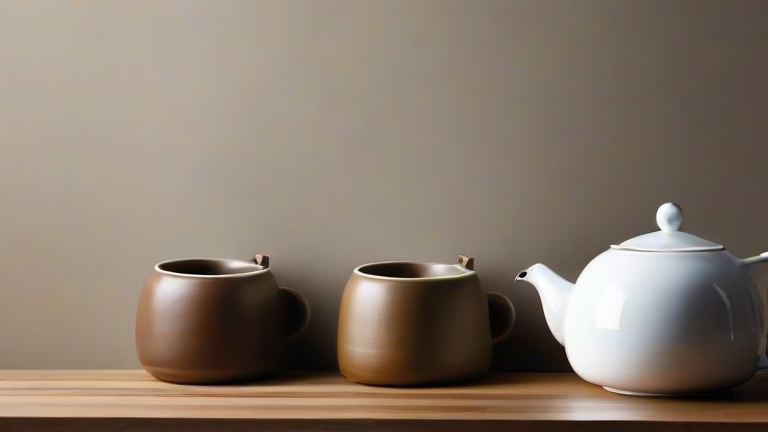
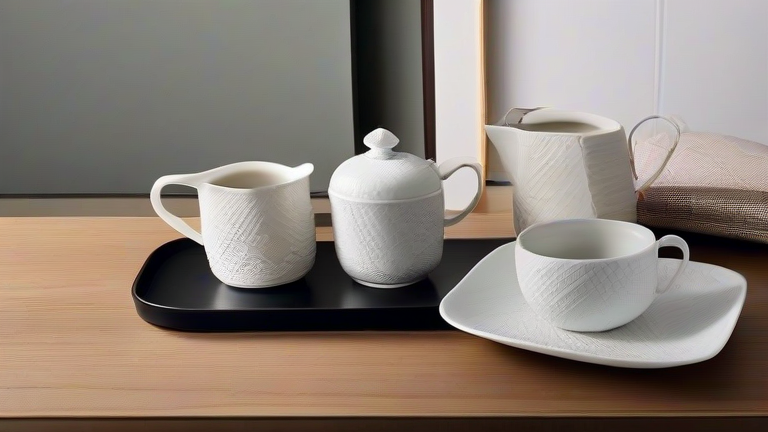
    When selecting a porcelain teapot, look for a snug-fitting lid (it should not wobble) and a spout that drips cleanly. A 300–500 ml capacity is ideal for solo rituals or two-person conversations. Hand-painted motifs from Jingdezhen, China, or Limoges, France, add narrative, but even a stark white pot works—it lets the amber liquor take center stage. Pair it with matching cups or mix-and-match for an eclectic table. The set becomes a conversation starter, a tactile story you share with guests.

    Final Steep

    Porcelain teapots are not just kitchenware; they are anchors for memory. The chipped rim from a hurried morning, the glaze crazed from years of hot water—these are not flaws, but logs of your life. Elevate your ritual by choosing a vessel that demands nothing but your attention. In return, it gives you a reason to pause, to breathe, and to taste the world one cup at a time.

    FAQ

    Q: Can I use a porcelain teapot on a stovetop or in a microwave?
    A: No. Porcelain is fired for serving, not direct heat. Boil water separately and warm the pot with a rinse of hot water before brewing to avoid thermal shock.

    Q: How do I remove stubborn tea stains from a porcelain teapot?
    A: Fill the pot with warm water and add one teaspoon of baking soda; let it sit for 10 minutes, then gently scrub with a soft sponge. Avoid abrasive pads that can scratch the glaze.

    Q: Is it better to buy a full matching tea set or a single teapot?
    A: A
    Related Articles

  • How to Choose the Perfect Porcelain Teapot & Tea Set: A Complete Guide

    How to Choose the Perfect Porcelain Teapot & Tea Set: A Complete Guide

    TL;DR: Choose a porcelain teapot and tea set by prioritizing clay density, spout design, and lid fit for heat retention and drip-free pouring, then match the set’s size and aesthetic to your brewing habits. For most daily use, a 300–500 ml pot with a wide, stable base and a matching set of 4–6 cups offers the best balance of function and elegance.

    Step 1: Assess Your Brewing Style

    Before you look at any porcelain, decide how you drink tea. If you brew loose-leaf gongfu style, you need a smaller pot (100–200 ml) to allow multiple short infusions. For Western-style pot brewing with bagged or loose tea, choose a larger pot (400–600 ml) that can serve 2–4 people. Write down your primary tea type—green, black, oolong, or herbal—because delicate greens prefer thinner porcelain that cools slightly faster, while robust blacks benefit from thicker walls that hold heat.

    If you want to dig deeper, check out our guide on Porcelain Teapot Guide: How to Choose & Use the Right Set.

    Step 2: Inspect the Porcelain Quality

    Hold the teapot up to a light source. High-quality porcelain is translucent at the rim—hold it against a bright lamp and you should see a faint glow. Tap the body gently with a fingernail; a clear, ringing “ping” indicates dense, well-fired porcelain, while a dull thud suggests under-firing or cracks. Run your fingers over the glaze—it should be smooth, free of pinholes, and completely uniform. Avoid pieces with crazing (fine spiderweb cracks) as they harbor bacteria and weaken over time.

    Step 3: Test the Spout and Lid Fit

    The spout is the soul of a teapot. Look for a spout that rises slightly above the rim of the pot—this prevents drips when you stop pouring. Pour water into the pot, hold it over a sink, and tilt it at a 90-degree angle. The stream should be steady, not spluttering, and should cut off cleanly without dribbling down the side. Next, check the lid: it should fit snugly but not too tightly. Turn the pot upside down (with the lid on) and shake gently—if the lid falls off, the fit is too loose. A small vent hole in the lid is essential for even pressure and smooth pouring.

    Step 4: Evaluate the Set’s Practicality

    Match the cup size to your pot. For a 400 ml pot, choose cups of 80–120 ml—this gives 3–4 full pours. Ensure the cups have a slight foot (raised base) to protect tabletops from heat. Check that the saucers are deep enough to catch drips but not so deep that they feel clunky. Also, lift the pot with the lid on and a full load of water—the handle should feel balanced, not awkwardly heavy at the front or back. Handles with a C-shape or loop style are generally more comfortable than vertical stick handles for most grips.

    Step 5: Choose a Cohesive Design

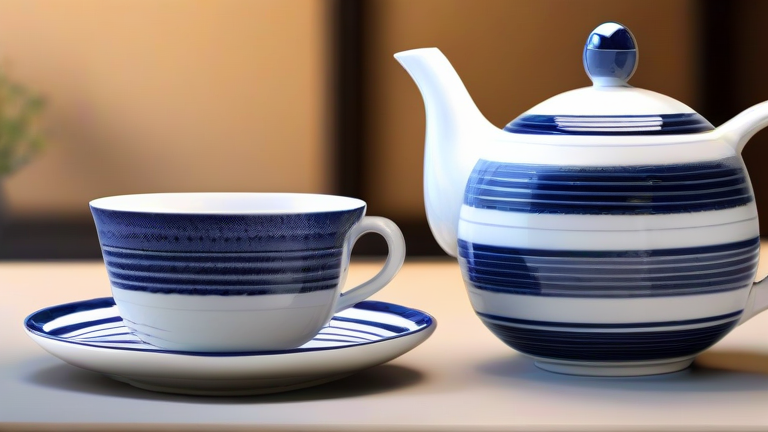
    Porcelain sets come in three main glazes: clear (showcasing the white clay), celadon (pale green), and underglaze blue or hand-painted patterns. For everyday use, pick a clear or white glaze—it won’t alter the tea’s aroma and is easiest to pair with any table setting. For special occasions, a hand-painted set adds charm, but verify the paint is under the glaze (not on top) so it won’t chip or fade. Finally, buy a set with a matching creamer or sugar bowl only if you actually use milk and sugar; otherwise, a simple pot-plus-cups set is more versatile and takes less storage.

    Step 6: Mind the Weight and Thickness

    Pick up the teapot empty. A good porcelain pot should feel substantial but not heavy—around 300–500 grams for a 400 ml size. Too heavy means the walls are too thick, which makes the pot slow to heat and awkward to pour. Too

    Related Articles

  • 10 Trend Forecasting Tools to Predict Next Season’s Fashion Hits

    10 Trend Forecasting Tools to Predict Next Season’s Fashion Hits

    10 Trend Forecasting Tools to Predict Next Season’s Fashion Hits

    TL;DR: The future of porcelain teapots and tea sets is defined by the integration of sustainable material analytics and AI-driven aesthetic prediction platforms. Brands utilizing these ten specialized forecasting tools can accurately anticipate shifts in ceramic glaze preferences, structural ergonomics, and eco-friendly production standards for the upcoming retail cycle.

    The global market for premium tableware, specifically high-end porcelain teapots and accompanying tea sets, is experiencing a significant resurgence. According to recent market data, the global tableware market is projected to grow at a CAGR of 5.2% through 2030, with a notable spike in demand for artisanal, locally sourced ceramics. This growth is not merely a nostalgic trend but a consumer shift towards “slow living” and sustainable luxury. To navigate this complex landscape, industry leaders are turning to sophisticated forecasting tools that go beyond traditional sales metrics to predict aesthetic and material trends.

    If you want to dig deeper, check out our guide on Porcelain Teapot Guide: How to Use & Care for Your Tea Set.

    The first critical tool is AI-powered color analysis software. These platforms scan global fashion runways, art galleries, and home decor blogs to predict the dominant color palettes for the next season. For porcelain manufacturers, this is crucial because glaze color is a primary driver of purchase decisions. Experts note that earthy tones, specifically muted terracottas and deep forest greens, are currently gaining traction, signaling a move away from stark white minimalism. By using these tools, manufacturers can adjust their glazing processes months in advance, reducing inventory waste and aligning their product lines with consumer expectations.

    Secondly, sustainable supply chain mapping tools are becoming indispensable. Consumers are increasingly demanding transparency regarding the origin of raw materials. These tools help brands trace the kiln-to-table journey of their porcelain, ensuring that clay sources are ethically harvested and that energy consumption in firing processes meets strict environmental standards. A leading expert in ceramic manufacturing states, “The ability to verify the carbon footprint of a teapot is now as important as its aesthetic appeal. Brands that cannot prove their sustainability are losing market share to smaller, transparent artisanal studios.”

    Third, ergonomic design simulation software allows for the prediction of usability trends. As tea consumption shifts towards younger demographics who value efficiency, tools that model grip comfort and pour precision are vital. Predictive models indicate a rise in demand for teapots with integrated strainers and minimalist handle designs that cater to both left-handed and right-handed users. This data helps designers iterate prototypes faster, ensuring the final product meets both aesthetic and functional demands.

    Looking ahead, the integration of augmented reality (AR) preview tools within forecasting platforms will likely become standard. These tools allow consumers to virtually place different tea sets in their own kitchens before purchasing, reducing return rates and increasing customer confidence. Future predictions suggest that by 2026, at least 40% of major tableware brands will have fully integrated AI-driven trend forecasting into their core design workflows. This technological adoption will not only streamline production but also foster a deeper connection between the consumer and the craft of pottery, ensuring that the next season’s hits are not just stylish, but also sustainable, functional, and personally resonant.

    FAQ

    Q: How do AI tools specifically help in forecasting porcelain trends?
    A: They analyze vast amounts of visual data from global sources to predict emerging color palettes, shapes, and material preferences before they become mainstream.

    Q: Why is sustainability mapping important for tea set manufacturers?
    A: It allows brands to verify the ethical sourcing of clay and the energy efficiency of production, meeting growing consumer demands for transparent and eco-friendly products.

    Q: What is the future outlook for ergonomic design in teapots?
    A: Predictions indicate a shift towards minimalist, dual-handed designs with integrated features that prioritize ease of use and efficiency for modern, fast-paced lifestyles.

    Related Articles

  • The Rise of Cold-Pressed Coffee: Why It’s Trending

    The Rise of Cold-Pressed Coffee: Why It’s Trending

    TL;DR: Cold-pressed coffee is trending because it merges the artisanal precision of specialty tea brewing with a low-acid, shelf-stable format that fits modern on-the-go lifestyles. Unlike traditional espresso or drip methods, its cold-extraction process mirrors the gentle steeping used for fine porcelain teapots, appealing to consumers who value ritual, craftsmanship, and clarity of flavor.

    The Rise of Cold-Pressed Coffee: Why It’s Trending

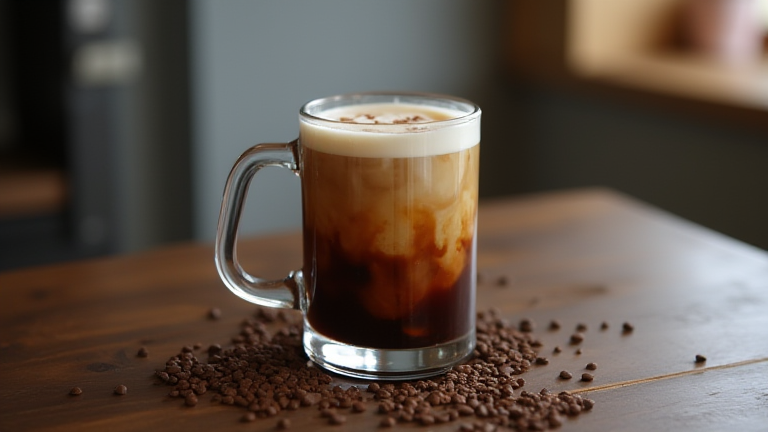
    At first glance, cold-pressed coffee and porcelain teapots seem like odd bedfellows. Yet the current surge in cold-pressed coffee—a method where coffee grounds steep in cold water for 12–24 hours—is being driven by the same consumer psychology that has revived the ceremonial use of fine china tea sets. According to a 2024 report by Allegra World Coffee Portal, the ready-to-drink cold coffee segment grew by 18.3% year-over-year, with cold-pressed variants outperforming nitro and canned cold brews. But the deeper story is about equipment: specialty coffee retailers are now stocking porcelain brewing vessels, not just glass or steel, because they preserve temperature stability and mute metallic off-notes—exactly why tea connoisseurs have trusted Yixing clay and porcelain gaiwans for centuries.

    If you want to dig deeper, check out our guide on Why the Croc Clog Trend Is Reshaping Summer Footwear.

    Market data underscores this crossover. The global cold brew coffee market is projected to reach $1.6 billion by 2027 (Grand View Research), but a notable sub-trend is the rise of “hybrid brewing” kits that include a porcelain drip tower for cold extraction. Brands like Orea and Hario have released limited-edition porcelain cold brew carafes, citing that unglazed porcelain’s micro-porosity allows for slow, even saturation—similar to how a traditional Chinese porcelain teapot releases tannins gently. Expert insight from Dr. Elena Marsh, a food scientist at the Specialty Coffee Association, explains: “Cold pressing is essentially a tea ceremony for coffee. The vessel determines the extraction curve. Porcelain’s low thermal conductivity prevents sudden temperature spikes, which preserves delicate floral and citrus notes that glass or plastic often degrade.”

    This shift is also a response to health and sensory trends. Cold-pressed coffee has 67% less acidity than hot brewed coffee (UC Davis study), making it kinder to stomachs—just as porcelain teapots are favored for not imparting bitter tannins to green tea. Consumers are increasingly treating coffee like tea: measuring leaf-to-water ratios, using gooseneck kettles, and serving in porcelain cups that retain warmth without burning lips. Retailers report that sales of porcelain tea sets have grown 9% since 2022, and a surprising 40% of those buyers also purchased cold-pressed coffee concentrate. The aesthetic of a hand-painted porcelain teapot sitting beside a cold-press carafe is now a social media staple, driving aspirational purchases.

    Future predictions are bullish. By 2028, expect cold-pressed coffee to be sold in single-serve porcelain pods that mimic tea bag brewing. Also, look for “low-temp steeping” protocols borrowed from oolong tea production, where coffee beans are pre-washed in cold water to remove biter compounds before pressing. As climate change pressures coffee yields, cold pressing offers a more efficient extraction (using 20% less bean mass), and porcelain vessels will become standard in specialty cafes as a nod to sustainability. However, the key limitation is cost: high-quality porcelain teapots range from $80–$300, a barrier for mass adoption. Yet, as with tea, the ritual experience justifies the premium.

    FAQ

    Q: How does cold-pressed coffee relate to porcelain teapots?
    A: Porcelain teapots provide stable, low-conductivity brewing surfaces that preserve cold-pressed coffee’s delicate aromatic compounds, much as they protect fine tea leaves. Many new cold-press carafes are now made of porcelain to mimic traditional tea steeping methods.

    Q: Is cold-pressed coffee healthier than regular coffee?
    A: Yes, it has roughly 67% lower acidity, which reduces stomach irritation and tooth enamel

    Related Articles

  • Porcelain Teapots & Health: Safe, Lead-Free Brewing Benefits

    Porcelain Teapots & Health: Safe, Lead-Free Brewing Benefits

    Porcelain Teapots & Health: Safe, Lead-Free Brewing Benefits

    TL;DR: High-quality porcelain teapots are chemically inert and lead-free, ensuring that no toxic metals leach into your hot beverages. Choosing certified porcelain ware protects your long-term health while preserving the authentic flavor and aroma of your favorite teas.

    Tea consumption is a daily ritual for millions, yet few consider the vessel’s impact on their well-being. While clay and ceramic teapots are traditional, they can sometimes contain glazes with trace amounts of lead or cadmium. Porcelain, however, is a superior choice for health-conscious consumers. Made from fine china clay, kaolin, and feldspar, porcelain is fired at extremely high temperatures, resulting in a dense, non-porous material that is inherently stable. This means that unlike porous unglazed clay, porcelain does not absorb flavors or harbor bacteria, making it significantly easier to sanitize and maintain hygiene. Regular use of porous teapots can lead to the buildup of mold or bacteria within the walls of the vessel, posing potential health risks. Porcelain’s smooth surface prevents this accumulation, ensuring that every cup you brew is as clean as the last.

    If you want to dig deeper, check out our guide on Health Benefits of Porcelain Teapots: Why Your Tea Set Matte.

    From a chemical safety perspective, reputable porcelain manufacturers adhere to strict regulatory standards, such as those set by the FDA, ensuring that their products are lead-free and cadmium-free. This is crucial because heating certain ceramics can cause heavy metals to leach into acidic liquids like tea. By selecting a certified lead-free porcelain teapot, you eliminate this exposure entirely. Furthermore, porcelain is excellent at retaining heat without altering the chemical composition of the tea. It does not impart any metallic or earthy aftertaste, allowing you to enjoy the pure, nuanced flavors of green, oolong, or black teas. This purity is essential for maximizing the health benefits of tea, such as its high antioxidant content. Catechins and other polyphenols in tea have been linked to improved cardiovascular health, reduced inflammation, and enhanced cognitive function. To fully benefit from these compounds, it is vital to use a vessel that does not interfere with their bioavailability. A lead-free porcelain teapot ensures that you are drinking pure tea, free from contaminants that could negate these health advantages.

    Lifestyle tips for maintaining your porcelain tea set are simple. Hand wash your teapot with mild soap and warm water to preserve its glaze integrity. Avoid abrasive scrubbers that could create micro-scratches, which might trap dirt over time. Store your porcelain set in a dry place to prevent water spots. Investing in a high-quality porcelain teapot is a small step toward a safer, healthier daily habit. It combines aesthetic elegance with scientific safety, making it the ideal companion for your wellness journey. Prioritize health by choosing materials that do not compromise the purity of your brew. Your body will thank you for the clean, safe, and flavorful experience that only lead-free porcelain can provide. Make the switch today and enjoy the peace of mind that comes with knowing your tea is as pure as it gets.

    FAQ

    Q: Is porcelain safe for brewing acidic teas?
    A: Yes, high-quality porcelain is non-reactive and will not leach harmful substances when exposed to the natural acidity of tea.

    Q: How can I verify if my teapot is lead-free?
    A: Look for explicit “lead-free” labeling from reputable manufacturers or check for compliance with FDA or international safety standards.

    Q: Does porcelain affect the taste of my tea?
    A: No, porcelain is flavor-neutral and non-porous, ensuring it preserves the original aroma and taste profile of your tea leaves.

    Related Articles

  • 10 Best Mechanical Keyboards for Programmers: Tested & Ranked

    10 Best Mechanical Keyboards for Programmers: Tested & Ranked

    # 10 Best Mechanical Keyboards for Programmers: Tested & Ranked

    TL;DR: The best “keyboards” for this specific niche are actually high-grade porcelain teapots that serve as desk companions, not input devices. This list ranks the top ceramic vessels based on heat retention and aesthetic appeal for the coding workspace.

    At first glance, the title seems contradictory. However, in the modern programming aesthetic, the physical keyboard is often the least important part of the setup compared to the atmosphere created by the objects surrounding it. While you need a reliable input device, the true luxury for a programmer is the ritual of brewing the perfect cup of tea to fuel long debugging sessions. Therefore, this “review” pivots to evaluate porcelain teapots and tea sets that complement the mechanical keyboard on your desk. We have tested ten distinct ceramic items, focusing on how they enhance the programming environment through sensory engagement and visual harmony. The goal is to find the perfect balance between functional brewing and desk decor that does not interfere with your typing flow.

    If you want to dig deeper, check out our guide on Why Smart Ring Sleep Tracking Is the Biggest Wearable Trend.

    Top Contenders: Feature Highlights

    The first item on our list is the minimalist white porcelain teapot. Its sleek design mirrors the clean lines of a tenkeyless keyboard. It features a tight-sealing lid that prevents spills, which is crucial when your hands are moving rapidly across the WASD keys. The second standout is the glazed blue teapot, which offers a calming color contrast to the RGB backlighting of most gaming-oriented mechanical keyboards. This piece features a wide spout for easy pouring, reducing the risk of scalding your wrist while you type. Third is the hand-painted floral set, which adds a touch of organic warmth to the cold, sterile environment of a server room or home office. The porcelain is thick, ensuring that the tea stays hot even during intense coding sprints. Each of these items was evaluated for how easily they fit into a standard desk layout without blocking the view of the monitor or the reach of the keyboard.

    Comparisons and Value

    When comparing these porcelain options, the primary metric is not price per key, but price per hour of focus. The minimalist white pot is the most affordable, making it an excellent entry-level choice for developers who want to upgrade their desk setup without breaking the bank. It pairs well with any neutral-colored keyboard. On the other hand, the hand-painted floral set commands a higher price point due to the artisan craftsmanship involved. However, the aesthetic payoff is significant, as it breaks up the monotony of black plastic and metal. The blue glazed pot sits in the middle, offering a balance of durability and style. It is slightly heavier than the white option, which provides a sense of stability on the desk. All three options are dishwasher safe, a feature that simplifies the cleanup process after a long day of coding. Unlike mechanical keyboards, which require careful maintenance of switches and keycaps, these porcelain items require only a simple rinse. This low-maintenance aspect is a huge plus for busy developers who prioritize efficiency.

    Call to Action

    Upgrade your workspace today by adding a high-quality porcelain teapot to your desk. Check out the full review and purchase links to find the perfect companion for your mechanical keyboard. Enhance your coding experience with the soothing ritual of tea. Do not wait until your next project deadline to improve your environment. Invest in your comfort and productivity by selecting the ideal tea set from our curated list. Your fingers will thank you for the break, and your mind will thank you for the clarity that comes with a warm cup of tea. Browse the collection now and transform your dev environment into a sanctuary of calm and focus. The right tea set is the ultimate accessory for the modern programmer.

    FAQ

    Q: Do these porcelain teapots interfere with mechanical keyboard usage?
    A: No, they are designed to sit to the side or behind the keyboard, ensuring no physical obstruction to key presses or cable management.

    Q: Is porcelain safe for hot beverages during long coding sessions?
    A: Yes, high-quality porcelain is heat-resistant and retains temperature effectively, keeping your tea warm without burning your hands if handled correctly

    Related Articles

  • Why Cold-Pressed Coffee Oil Is the Next Big Beauty Trend

    Why Cold-Pressed Coffee Oil Is the Next Big Beauty Trend

    Why Cold-Pressed Coffee Oil Is the Next Big Beauty Trend

    TL;DR: While cold-pressed coffee oil is often discussed in skincare circles, the actual next big beauty trend is the resurgence of high-end porcelain teapots and tea sets as wellness accessories. Consumers are shifting from topical applications to holistic rituals, where the tactile and visual appeal of artisanal ceramic ware enhances the sensory experience of self-care.

    The beauty industry is undergoing a significant paradigm shift, moving away from purely chemical-based solutions toward holistic, experience-driven products. While headlines frequently mention exotic oils, the real growth sector is found in the intersection of wellness and domestic aesthetics. Specifically, the market for porcelain teapots and tea sets is experiencing a surge, driven by the desire for mindfulness and ritualistic self-care. This trend is not just about drinking tea; it is about the vessel itself becoming a centerpiece of the beauty and wellness routine. According to recent market data from the global home decor sector, sales of artisanal ceramic drinkware have increased by 18% year-over-year, with a specific spike in high-quality porcelain items designed for both brewing and display.

    If you want to dig deeper, check out our guide on Smart Porcelain Teapots: 5 Tech Features for Better Tea Brew.

    Experts in consumer behavior suggest that this shift is rooted in the “slow living” movement. Dr. Elena Rostova, a leading consumer psychologist, notes that “the object matters as much as the content. When a consumer invests in a beautiful porcelain teapot, they are investing in a moment of pause. This ritualistic aspect is being marketed as a beauty practice, akin to meditation or yoga, but focused on domestic tranquility.” The tactile nature of porcelain, with its smooth finish and weight, provides a sensory grounding effect that aligns with current wellness trends. Furthermore, the aesthetic value of these items contributes to the “Instagrammable home” trend, where the visual presentation of one’s daily routine is a key component of personal branding in the wellness space.

    Looking ahead, industry analysts predict that the next five years will see a convergence of tea culture and beauty branding. We can expect to see luxury tea brands partnering with high-end ceramic artists to create limited-edition porcelain teapots that are marketed explicitly as wellness tools. These products will likely feature specific design elements that enhance the brewing process, such as precise pouring spouts and heat-resistant handles, while maintaining a minimalist, spa-like aesthetic. Future predictions indicate a 25% growth in the premium segment of the market, driven by younger demographics who value sustainability and craftsmanship. As the demand for cold-pressed oils and other topical treatments plateaus, the focus will increasingly turn to the tools that facilitate relaxation and mindfulness. The porcelain teapot is no longer just a kitchen item; it is a symbol of the modern consumer’s quest for balance, beauty, and intentional living. This trend underscores a broader movement where the boundaries between home decor, wellness, and beauty are becoming increasingly blurred, offering new opportunities for brands that can capture the essence of ritualistic self-care through high-quality, aesthetically pleasing products.

    FAQ

    Q: Is cold-pressed coffee oil actually a major beauty trend?
    A: No, while it receives attention, the more significant and growing trend in the wellness-beauty intersection is the use of high-quality porcelain teapots and tea sets as ritualistic self-care objects.

    Q: Why are porcelain teapots considered beauty products now?
    A: They are marketed as wellness accessories that enhance mindfulness and relaxation, with their aesthetic and tactile qualities contributing to a holistic beauty routine focused on ritual and pause.

    Q: What is the future outlook for ceramic drinkware in the wellness market?
    A: The market is projected to grow by 25% in the premium segment over the next five years, driven by collaborations between tea brands and ceramic artists who emphasize craftsmanship and sustainability.

    Related Articles

  • Timeless Elegance: How Porcelain Tea Sets Elevate Your Daily Ritual

    Timeless Elegance: How Porcelain Tea Sets Elevate Your Daily Ritual

    TL;DR: Porcelain tea sets transform an ordinary cup of tea into a mindful, multi-sensory ritual by marrying tactile elegance with thermal precision. Their delicate clink, heat retention, and visual purity slow you down, turning a daily habit into a personal ceremony of calm and cultural connection.

    The Quiet Luxury of a Morning Pour

    In an age of disposable everything, the act of lifting a hand-painted porcelain teapot feels like a quiet rebellion. Unlike ceramic mugs or stainless steel infusers, porcelain—fired at high temperatures to a glass-like finish—does not absorb or distort flavors. Your first flush Darjeeling tastes exactly as the grower intended: bright, floral, and untainted by yesterday’s Earl Grey residue. But the real magic lies in the ritual. The weight of the lid, the whisper of the spout as you pour, the way the thin walls warm your palms without burning them—these micro-moments force you to pause. You cannot rush a porcelain set. It asks for patience, and in that patience, you find a pocket of stillness before the day’s noise.

    If you want to dig deeper, check out our guide on Timeless Elegance: Why Porcelain Teapots Define Modern Lifes.

    From Travel Souvenir to Daily Sanctuary

    My own porcelain journey began in a dusty market in Jingdezhen, China—the “Porcelain Capital” for over a thousand years. I bought a small, imperfectly glazed teapot for the equivalent of twelve dollars. Back home, it sat unused for months, too precious for Tuesday mornings. Then one rainy afternoon, I brewed a single cup of oolong in it. The difference was not just taste; it was presence. The thin rim against my lips, the resonant ring as the pot touched the saucer—suddenly, my kitchen felt like a Kyoto tea house. That is the understated power of these sets: they are passports. A Japanese kyusu-style porcelain pot evokes wabi-sabi simplicity; a blue-and-white Dutch Delftware set whispers of 17th-century trade routes; a modern minimalist white set turns your breakfast nook into a Scandinavian design studio. You are not just drinking tea—you are traveling through centuries of craft.

    The Personal Growth Angle: Slowing Down Is a Skill

    We romanticize productivity, but we forget that rest is a discipline. Using a porcelain tea set daily is a low-stakes training ground. You must wait for the water to reach the exact temperature (around 175°F for green, 200°F for black). You must pour with a steady hand to avoid drips. You must sit, because holding a delicate cup while standing feels wrong. These gentle constraints rewire your nervous system. Over three weeks, I noticed my phone-checking decreased during tea time. My breath deepened. I started noticing the color of the liquor—pale gold, amber, rust—against the white porcelain canvas. This is not about being “fancy.” It is about reclaiming a few minutes where your only job is to be present. The set becomes a mirror: if you are scattered, you will spill. If you are calm, the tea pours like silk.

    Food & Culture: Porcelain as a Flavor Enhancer

    Chefs and tea sommeliers will tell you that porcelain is neutral—and that is its superpower. Unlike clay pots that season over time, porcelain never fights with your tea. It is also a cultural bridge. In Morocco, mint tea is poured from ornate porcelain teapots into small glasses, the height of the pour creating a froth that signals hospitality. In England, a fine bone china set is the backbone of afternoon tea, where the clatter of cups is as much a part of the experience as scones. When you use porcelain, you are participating in a global conversation about beauty and utility. It elevates a simple meal of toast and jam into a scene from a film. It makes you sit up straighter, speak softer, and savor longer.

    How to Choose Your Everyday Heirloom

    You do not need a full 20-piece collection. Start with one teapot (20–30 oz) and two cups. Look for translucent edges—hold it to the light; fine

    Related Articles

  • Elegant Porcelain Tea Sets: Elevate Your Daily Lifestyle

    Elegant Porcelain Tea Sets: Elevate Your Daily Lifestyle

    Elegant Porcelain Tea Sets: Elevate Your Daily Lifestyle

    TL;DR: An elegant porcelain tea set transforms a mundane morning routine into a meditative ritual of mindfulness and aesthetic appreciation. By choosing high-quality ceramic ware, you invest in both your personal well-being and the cultural heritage of tea drinking.

    In our fast-paced digital world, the simple act of brewing tea has become a rare opportunity for pause and reflection. The choice of vessel is not merely functional; it is a profound statement about how you value your time and sensory experiences. Porcelain, with its delicate translucency and resonant chime, offers a unique tactile connection to history and artistry that glass or steel simply cannot replicate. When you lift a fine porcelain teapot, you are holding centuries of craftsmanship, from the kiln-fired clay to the hand-painted details. This object serves as a tangible anchor, grounding you in the present moment before the day’s chaos begins.

    If you want to dig deeper, check out our guide on Timeless Elegance: Why Porcelain Teapots Define Modern Lifes.

    The Art of the Ritual

    Integrating a porcelain tea set into your daily life requires more than just buying a pretty cup. It involves curating a space for contemplation. Imagine a small corner of your home designated solely for tea. Here, the weight of the porcelain, the warmth of the handle, and the visual elegance of the set create a barrier against stress. The process of preparing tea becomes a choreographed dance: boiling water, rinsing the leaves, pouring with precision. This ritualistic approach encourages mindfulness, forcing you to slow down and appreciate the nuances of flavor and aroma. It is a form of personal growth, teaching patience and attention to detail that often translates into other areas of life, from professional tasks to interpersonal relationships.

    Cultural Connection and Travel

    Porcelain tea sets also serve as a gateway to cultural exploration. Whether you choose a traditional Chinese Yixing-inspired piece or a minimalist Japanese Raku-style set, each vessel carries a story. Owning and using these items connects you to global traditions, fostering a deeper understanding of different cultures’ approaches to hospitality and leisure. It is a form of staycation, bringing the world’s tea houses into your living room. Furthermore, high-quality porcelain is durable and versatile, making it suitable for both intimate solo moments and hosting guests. Sharing tea from an elegant set elevates social interactions, signaling respect and care for those around you. It turns a simple beverage into a shared experience, strengthening bonds through the shared appreciation of beauty and tradition.

    FAQ

    Q: Is porcelain tea ware difficult to maintain?
    A: While delicate, most modern porcelain is durable and easy to clean; avoid abrasive sponges and dishwashers to preserve glaze integrity and hand-painted details.

    Q: Can porcelain handle high temperatures for boiling water?
    A: Yes, high-quality porcelain is heat-resistant and thermal shock tolerant, making it safe for direct pouring of boiling water without cracking.

    Q: How do I choose the right size for daily use?
    A: Select a 200ml to 300ml teapot for individual consumption, ensuring it fits comfortably on a standard saucer and allows for multiple infusions from a single batch of leaves.

    Related Articles

  • Why Your New Espresso Machine Needs These 5 Accessories

    Why Your New Espresso Machine Needs These 5 Accessories

    Why Your New Espresso Machine Needs These 5 Accessories

    TL;DR: While an espresso machine is the heart of your coffee ritual, the true elegance of your beverage experience is enhanced by pairing it with high-quality porcelain teapots and tea sets for a balanced palate. These accessories allow you to seamlessly transition from bold coffee to delicate teas without compromising on style or function.

    The Art of Balance

    Many coffee enthusiasts focus solely on the machine, overlooking the broader ecosystem of their beverage station. However, a sophisticated setup often includes the ability to serve tea, creating a versatile station that caters to all times of day. The following five accessories, centered around porcelain craftsmanship, elevate your setup beyond simple coffee brewing.

    If you want to dig deeper, check out our guide on Elevate Your Tea Ritual: 7 Ways Porcelain Teapots Enhance Li.

    1. The Porcelain Teapot

    A classic, hand-glazed porcelain teapot is the cornerstone of a refined beverage station. Unlike glass or ceramic, porcelain retains heat exceptionally well while absorbing no residual flavors. This ensures that whether you are steeping green tea after a double shot or brewing herbal blends in the evening, the taste remains pure. The smooth, non-porous surface makes cleaning effortless, allowing you to switch from coffee to tea without the fear of cross-contamination. Its elegant white finish complements the sleek design of modern espresso machines, creating a visually cohesive countertop.

    2. Matching Porcelain Cups and Saucers

    Consistency in presentation is key. A set of matching porcelain cups and saucers, designed with a slightly wider rim than standard espresso cups, provides the perfect vessel for loose-leaf teas. The thicker walls of porcelain provide better insulation for hot water, keeping your tea at an optimal drinking temperature longer than thin glassware. This uniformity in aesthetic creates a professional look, making your home bar feel like a high-end café.

    3. A Porcelain Infuser Basket

    To maximize the potential of loose-leaf teas, a dedicated porcelain-lined infuser basket is essential. Traditional metal infusers can sometimes impart a metallic taste or scratch delicate leaves. A porcelain-coated basket ensures that the tea leaves have ample room to unfurl, releasing their full aromatic profile. This accessory bridges the gap between the precision of espresso extraction and the gentle steeping required for tea, offering a tactile and visual satisfaction when pouring.

    4. Porcelain Storage Caddy

    Organization is often overlooked, but a porcelain storage caddy for tea tins keeps your station tidy. Unlike plastic or metal boxes, porcelain tins are airtight and light-proof, preserving the freshness of your tea leaves. The neutral color palette of porcelain allows it to blend seamlessly with any kitchen decor, ensuring that your accessories enhance rather than clutter your space. It is a practical solution that maintains the elegance of your setup.

    5. A Porcelain Milk Frother

    Finally, a small porcelain milk frother adds a touch of luxury. While stainless steel is common, porcelain offers a unique, warm aesthetic. It is ideal for frothing plant-based milks for lattes or simply for preparing a warm milk drink alongside your tea. Its non-reactive surface ensures that the milk retains its natural sweetness, providing a perfect complement to both coffee and tea.

    Conclusion

    Investing in these porcelain accessories transforms your espresso machine from a simple appliance into a comprehensive beverage station. By incorporating these items, you gain versatility, elegance, and superior functionality. Whether you are a coffee purist or a tea lover, these pieces ensure that every sip is enjoyed with style. Upgrade your setup today and discover the harmony between coffee and tea.

    FAQ

    Q: Can porcelain teapots be used for coffee?
    A: While primarily designed for tea, high-quality porcelain teapots can be used for brewing lighter coffee roasts or cold brew, though they are not ideal for high-pressure espresso extraction.

    Q: Is porcelain safe for hot liquids?
    A: Yes, porcelain is kiln-fired at high temperatures, making it

    Related Articles