Blog

  • Porcelain Teapots: Health Benefits of Brewing Tea in Ceramic

    Porcelain Teapots: Health Benefits of Brewing Tea in Ceramic

    Porcelain Teapots: Health Benefits of Brewing Tea in Ceramic

    TL;DR: Porcelain teapots provide a non-reactive surface that preserves the full spectrum of antioxidants and polyphenols in tea, ensuring maximum health benefits. Choosing high-quality ceramic sets over metallic vessels prevents flavor contamination and supports a consistent, stress-free daily ritual.

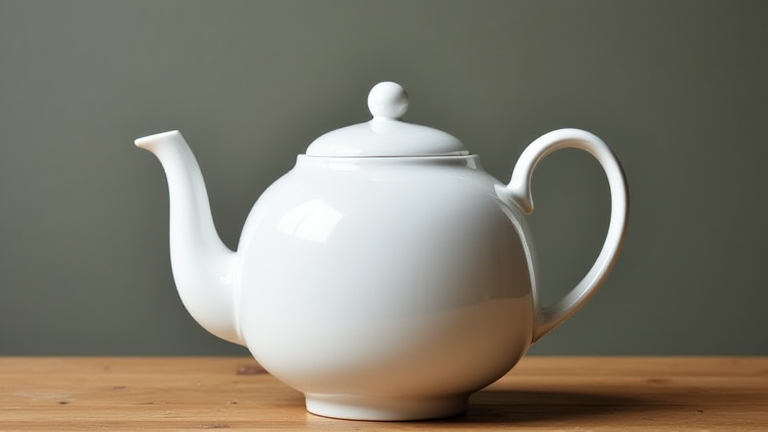
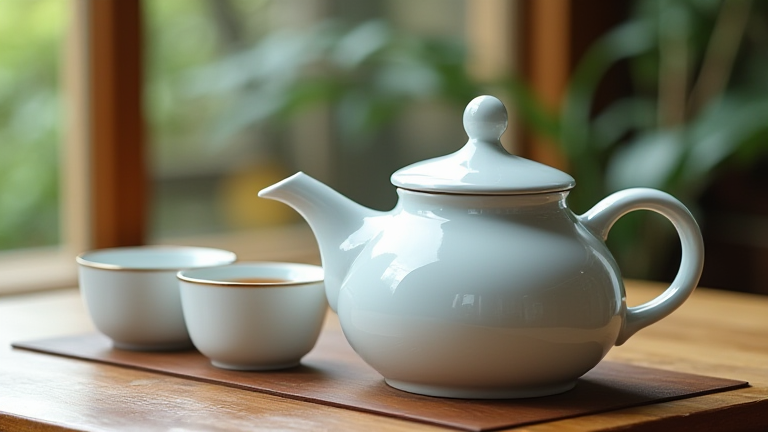
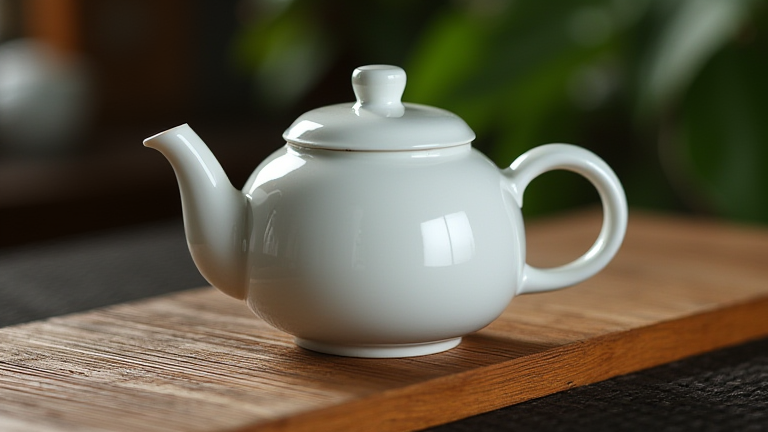
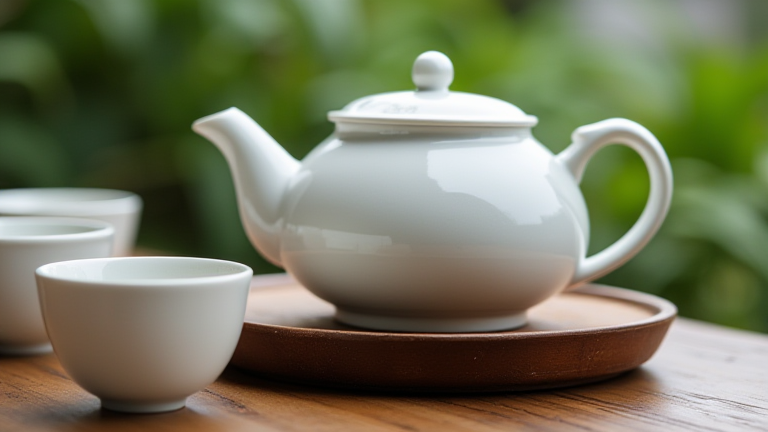
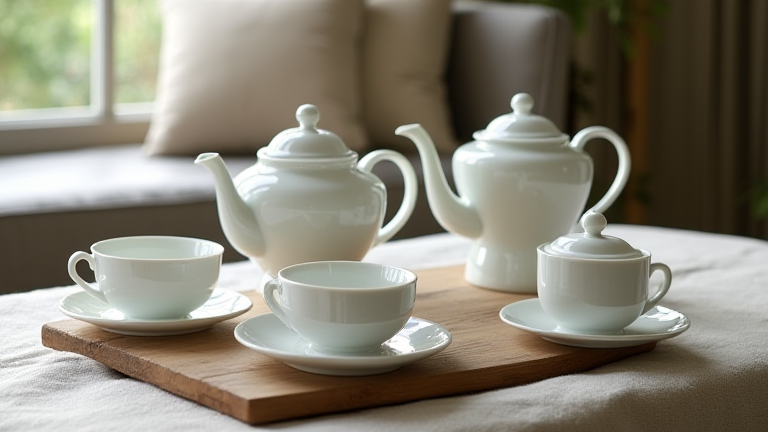
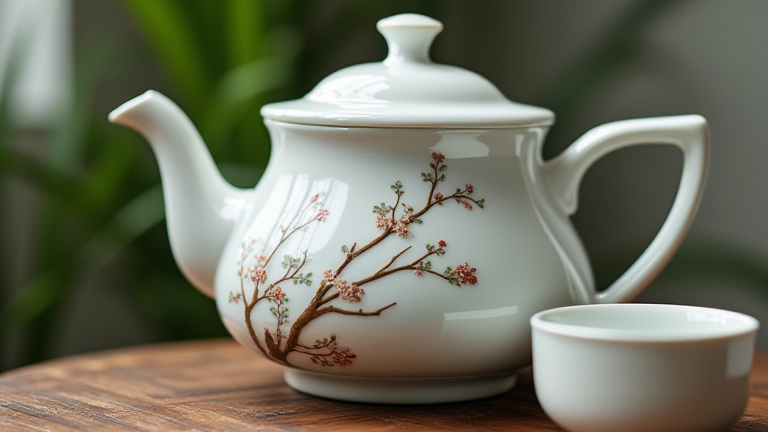
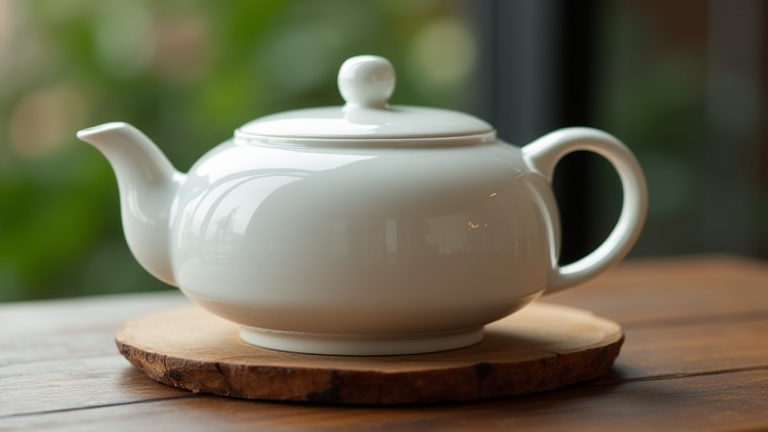
    In the quest for optimal wellness, many focus on the ingredients of their beverages but overlook the vessel used to prepare them. The material of your teapot plays a critical role in determining the chemical stability and flavor profile of your brew. Porcelain, a high-fired ceramic material, has emerged as the gold standard for tea enthusiasts and health-conscious individuals alike. Unlike porous clay or reactive metals, porcelain offers a unique combination of thermal retention and chemical inertness that safeguards the integrity of your tea. This article explores why switching to a porcelain tea set is a smart investment for your long-term health and daily well-being.

    If you want to dig deeper, check out our guide on Porcelain Teapots: Health Benefits, Safety & Best Practices.

    Chemical Inertness and Flavor Purity

    One of the primary health advantages of using a porcelain teapot is its chemical inertness. Teas, particularly green and white varieties, are rich in delicate catechins and volatile aromatic compounds that can easily degrade or alter when exposed to certain materials. Metal teapots, such as those made from copper or iron, can react with the tannins in tea, potentially introducing metallic tastes and altering the pH balance. This reaction may reduce the bioavailability of beneficial antioxidants. Porcelain, however, is non-porous and non-reactive. It does not absorb flavors or odors, nor does it leach any substances into the water. This ensures that every cup you drink contains the purest possible expression of the tea leaves, maximizing the intake of health-promoting polyphenols without the risk of unwanted chemical interactions.

    Thermal Retention and Stress Reduction

    The physical properties of porcelain also contribute to a healthier tea-drinking experience. Porcelain teapots have excellent thermal mass, meaning they heat up slowly and retain heat effectively. This allows for precise temperature control, which is crucial for extracting the right balance of flavor and nutrition. Brewing green tea at too high a temperature, for instance, can scorch the leaves and destroy heat-sensitive vitamins like Vitamin C. A porcelain vessel allows you to maintain the ideal brewing temperature for longer periods, encouraging a slower, more mindful consumption process. This ritual aspect is significant for mental health. The act of preparing and sipping tea from a beautiful, durable ceramic set can serve as a grounding practice, reducing cortisol levels and promoting relaxation. The aesthetic appeal of a well-crafted porcelain tea set also enhances the sensory experience, turning a simple drink into a meditative moment that supports overall mindfulness.

    Hygiene and Longevity

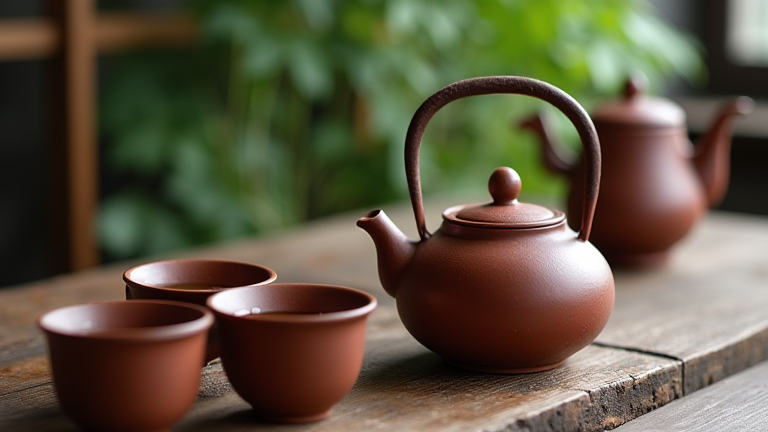
    From a hygiene perspective, porcelain is superior to unglazed clay. Unglazed stoneware or yixing clay teapots, while prized by some for their ability to absorb and age with tea, can harbor bacteria and mold in their microscopic pores if not cleaned meticulously. For individuals with compromised immune systems or those who brew herbal teas with high moisture content, this presents a potential health risk. Porcelain’s smooth, glazed surface is easy to sanitize, ensuring a hygienic environment for brewing. Furthermore, the durability of porcelain means that a high-quality tea set can last for decades, reducing waste and supporting a sustainable lifestyle. Investing in a durable porcelain set is not just a health choice but an environmental one, as it reduces the need for frequent replacements and single-use alternatives.

    In conclusion, while the leaf is the star, the pot is the stage. By choosing a porcelain teapot, you ensure that your tea remains chemically pure, thermally stable, and hygienic. This vessel supports the full potential of tea’s health benefits, from antioxidant absorption to stress relief. Whether you are brewing a complex oolong or a delicate white tea, a porcelain tea set provides the ideal environment for a healthy, flavorful, and mindful experience. Embrace the elegance of ceramic and elevate your daily wellness routine.

    FAQ

    Q: Is porcelain safe for brewing all types of tea
    Related Articles

  • Porcelain Teapot Guide: How to Choose & Use the Right Set

    Porcelain Teapot Guide: How to Choose & Use the Right Set

    Porcelain Teapot Guide: How to Choose & Use the Right Set

    TL;DR: Select a porcelain teapot based on the specific type of tea you brew most often, ensuring the capacity matches your guest count. Proper usage involves preheating the vessel, using fresh filtered water, and avoiding sudden temperature shocks to maintain the integrity of the glaze.

    Step 1: Determine Your Primary Tea Preference

    Porcelain is an excellent choice for white, green, and light oolong teas because it does not absorb flavors, allowing the delicate nuances of the leaves to shine. Unlike clay teapots, which can impart an earthy taste, porcelain remains neutral. Therefore, if you primarily drink heavily flavored black or herbal teas, porcelain is still suitable but may not enhance the body as much as stoneware would. Assess your personal tea library to ensure the material aligns with your flavor profile expectations.

    If you want to dig deeper, check out our guide on Air Fryer Trend: Why Dehydrator Function Is Taking Over.

    Step 2: Evaluate Capacity and Design Features

    Choose a teapot size that suits your typical brewing session. A 6-ounce pot is ideal for a single person, while a 12-ounce pot serves two to three guests. Look for a smooth, unglazed interior if possible, as glazed interiors can sometimes chip over time, though high-quality porcelain glazes are durable. Ensure the lid fits snugly to prevent steam escape, which can weaken the flavor. The spout should be designed to produce a clean, non-dripping pour. Check that the handle is ergonomically sound and remains cool to the touch during brewing, a key safety feature of porcelain sets.

    Step 3: Proper Preparation and Brewing Technique

    Always preheat your porcelain teapot by rinsing it with hot water before adding tea leaves. This stabilizes the temperature and prevents the thermal shock that can cause hairline cracks. Use a ratio of one teaspoon of loose leaf tea per eight ounces of water. Pour water at the correct temperature for your tea type; for green tea, use water below boiling to avoid bitterness. Allow the tea to steep for the recommended time, usually three to five minutes, depending on the variety. Use a strainer if your teapot lacks a built-in infuser to catch fine particles.

    Step 4: Maintenance and Care

    After brewing, rinse the teapot with warm water immediately to prevent tannin stains from setting into the glaze. Do not use soap, as it can leave a residue that affects future brews. Dry the pot thoroughly to prevent water spots and mineral buildup. Store the teapot in a cool, dry place away from direct sunlight, which can fade decorative patterns over time. Inspect the set regularly for any chips or cracks in the glaze, and retire any damaged pieces to avoid breakage during use.

    FAQ

    Q: Is porcelain safe for dishwasher use?
    A: Yes, most high-quality porcelain teapots are dishwasher safe, though hand washing is recommended to preserve intricate hand-painted details and extend the life of the glaze.

    Q: Can I use a porcelain teapot for brewing coffee?
    A: While possible, porcelain is generally preferred for tea; for coffee, stoneware or ceramic mugs are often better suited to retain heat and handle the acidity of coffee grounds.

    Q: How do I remove tea stains from the interior?
    A: If stains appear, soak the teapot in a mixture of warm water and baking soda for several hours, then scrub gently with a soft sponge and rinse thoroughly.

    Related Articles

  • Porcelain Teapots: 7 Health Benefits of Brewing Tea in Clay

    Porcelain Teapots: 7 Health Benefits of Brewing Tea in Clay

    Porcelain Teapots: 7 Health Benefits of Brewing Tea in Clay

    TL;DR: Porcelain teapots provide a chemically inert environment that preserves the delicate antioxidants and polyphenols in your tea. This material ensures a pure flavor profile without introducing unwanted metallic tastes or leaching harmful substances into your brew.

    Choosing the right vessel for your tea is not merely an aesthetic decision; it is a functional choice that impacts the nutritional integrity of your beverage. While traditional clay pots have their place, high-quality porcelain offers distinct advantages for health-conscious individuals seeking optimal hydration and antioxidant intake. Understanding these benefits helps you make informed decisions about your daily wellness routine.

    If you want to dig deeper, check out our guide on Handcrafted Porcelain Teapots & Sets: The Ultimate Guide.

    The Science of Thermal Stability

    Porcelain is fired at extremely high temperatures, resulting in a non-porous, glass-like surface. This structural integrity means the material does not absorb moisture or odors from previous brews. Consequently, there is no risk of cross-contamination between different types of tea, ensuring that every cup retains its specific botanical profile. This purity is crucial for maintaining the distinct health properties associated with various teas, from the calming effects of chamomile to the energizing properties of green tea.

    Preserving Antioxidant Potency

    One of the primary health benefits of using porcelain is the preservation of catechins and other polyphenols. Reactive metals can sometimes degrade these sensitive compounds or introduce a metallic aftertaste that masks the natural flavor. Porcelain’s inert nature prevents chemical interactions with the tea liquid, allowing the full spectrum of antioxidants to remain intact. These compounds are vital for reducing oxidative stress and supporting cardiovascular health, making the choice of teapot a subtle but significant factor in your long-term wellness strategy.

    Temperature Retention and Efficiency

    Unlike thin glassware, porcelain has excellent thermal mass. It holds heat effectively, keeping your tea at the optimal temperature for extended periods. This is particularly beneficial for herbal infusions that require steeping to release their therapeutic benefits. By maintaining consistent heat, you avoid the need to reheat water, which can scorch the leaves and destroy beneficial nutrients. This efficiency encourages mindful consumption, allowing you to enjoy multiple cups from a single pot without compromising quality.

    Lifestyle Tips for Optimal Use

    To maximize the health benefits of your porcelain teapot, ensure you are using the correct water temperature for each tea type. For example, green tea should be brewed at lower temperatures to prevent bitterness, while black tea requires near-boiling water. Additionally, clean your teapot with mild soap and water to maintain hygiene without damaging the glaze. Avoid sudden temperature shocks, such as pouring boiling water into a cold pot, to prevent cracking and extend the lifespan of your investment. A well-maintained porcelain teapot can last for decades, making it a sustainable and health-promoting addition to your kitchen.

    FAQ

    Q: Is porcelain safe for brewing all types of tea?
    A: Yes, food-grade porcelain is non-toxic and inert, making it safe for all teas including herbal, black, and green.

    Q: Does porcelain affect the taste of the tea?
    A: No, porcelain is flavor-neutral and does not impart any metallic or earthy notes, preserving the pure taste of the leaves.

    Q: How should I clean a porcelain teapot to maintain hygiene?
    A: Wash with warm water and mild dish soap, then rinse thoroughly and air dry to prevent mold or bacterial growth.

    Related Articles

  • Handcrafted Porcelain Teapots: Elevate Your Tea Ritual

    Handcrafted Porcelain Teapots: Elevate Your Tea Ritual

    Handcrafted Porcelain Teapots: Elevate Your Tea Ritual

    TL;DR: Handcrafted porcelain teapots offer superior heat retention and aesthetic elegance compared to mass-produced alternatives. Investing in a high-quality porcelain set transforms a simple beverage consumption into a sophisticated, meditative daily ritual.

    The Artistry of Handcrafted Porcelain

    In a world dominated by industrial efficiency, the slow art of handcrafting a teapot stands as a testament to human creativity and precision. Porcelain, often referred to as “white gold,” is unique among ceramics due to its translucency, strength, and non-porous nature. When artisans shape porcelain by hand, they imbue each piece with subtle variations that no machine can replicate. These slight irregularities are not flaws but signatures of authenticity, ensuring that your teapot is a one-of-a-kind object that brings warmth and character to your tea service. The tactile experience of holding a hand-thrown porcelain pot, feeling the smoothness of the glaze and the balance of the spout, adds a sensory layer to the brewing process that enhances the flavor of the tea itself.

    If you want to dig deeper, check out our guide on Handcrafted Porcelain Teapots & Sets: Elevate Your Tea Ritua.

    Key Feature Highlights

    When selecting a handcrafted porcelain teapot, several features distinguish premium products from standard options. First, consider the glaze quality. High-end porcelain uses lead-free, food-safe glazes that are fired at extremely high temperatures. This results in a surface that is incredibly smooth and resistant to staining, allowing the vibrant colors of green or oolong teas to shine through the translucent walls without absorbing odors or flavors. Second, the lid fit is crucial. A well-made porcelain teapot features a lid that clicks into place with a satisfying precision, preventing heat loss and ensuring that the aroma remains concentrated within the vessel. Finally, the spout design matters significantly. Artisans carefully sculpt the spout to ensure a controlled, steady stream of water, which is essential for proper pouring and minimizing spills during the ritual of serving guests.

    Comparing Porcelain to Other Materials

    While cast iron and stoneware teapots have their merits, porcelain offers distinct advantages for the discerning tea drinker. Unlike cast iron, which retains heat for extended periods but can be heavy and difficult to clean, porcelain is lightweight and easy to handle. It is also more versatile in terms of temperature control. Porcelain heats up quickly and cools down relatively fast, allowing the drinker to manage the steeping temperature more effectively. Compared to glass, porcelain provides better insulation, keeping the tea hotter for longer while offering a more opaque aesthetic that allows for intricate painted designs or minimalist elegance. Furthermore, porcelain does not react with acidic teas, such as citrus-infused blends, ensuring that the taste remains pure and unaltered. For those who prioritize both visual beauty and functional performance, porcelain strikes the perfect balance.

    Enhancing Your Tea Ritual

    Using a handcrafted porcelain teapot is about more than just brewing leaves; it is about creating a moment of mindfulness. The weight and feel of the pot encourage a slower pace, inviting you to appreciate the steam, the aroma, and the color of the liquor. Pairing a beautiful teapot with a matching set of cups creates a cohesive visual experience that elevates the occasion. Whether you are enjoying a quiet morning cup alone or hosting a small gathering, the presence of a finely crafted porcelain set signals an intention to slow down and savor the moment. It transforms tea from a mere refreshment into a cherished tradition that connects you to centuries of tea culture and craftsmanship.

    Call to Action

    Ready to transform your tea time? Explore our curated collection of handcrafted porcelain teapots and complete tea sets. Each piece is carefully selected for its quality, beauty, and functionality. Visit our shop today to find the perfect teapot that reflects your style and enhances your daily ritual. Elevate your experience, one sip at a time.

    FAQ

    Q: Is handcrafted porcelain safe for daily use?
    A: Yes, high-quality handcrafted porcelain is fired at high temperatures and uses food-safe glazes,

    Related Articles

  • Porcelain Teapot Guide: How to Choose & Care for Your Set

    Porcelain Teapot Guide: How to Choose & Care for Your Set

    Porcelain Teapot Guide: How to Choose & Care for Your Set

    TL;DR: Select a high-quality porcelain teapot based on its glaze integrity, weight, and capacity to suit your specific tea preferences. Maintain your set by hand-washing with mild soap, avoiding thermal shock, and storing pieces dry to prevent water spots and preserve the delicate finish.

    Understanding Porcelain Quality

    Porcelain is a distinct ceramic material known for its translucency, strength, and non-porous nature, making it ideal for tea service because it does not absorb flavors or odors. When shopping for a new set, examine the rim and base of the teapot for any pinholes or uneven glazing, which can indicate lower manufacturing standards. High-grade porcelain should feel smooth and cool to the touch, with a crisp, ringing sound when gently tapped. Avoid sets that feel excessively light, as this may suggest a thin, fragile body that is prone to chipping during daily use. Additionally, check the fit of the lid and the alignment of the spout. The lid should sit securely without wiggling, and the spout should pour in a steady, controlled stream without dripping. A well-crafted spout ensures that you can control the temperature and flow of your tea, enhancing the overall brewing experience. Consider the handle design as well; it should be large enough to accommodate your hand comfortably and provide a secure grip when the pot is full of hot liquid. Ergonomics are crucial for long-term enjoyment and safety, so always test the handle before purchasing if possible.

    If you want to dig deeper, check out our guide on Tech-Enhanced Porcelain Teapots: Smart Features & Top Sets.

    Selecting the Right Set for Your Needs

    Choosing the right size is the next critical step in finding your perfect set. For individual drinkers, a teapot with a capacity of 12 to 16 ounces is typically sufficient for one to two cups of tea. If you entertain guests frequently or prefer larger servings, opt for a 20 to 32-ounce pot. Match the teapot to your specific tea types. Porcelain is excellent for white, green, and oolong teas because it does not impart any additional flavor, allowing the delicate notes of the leaves to shine. However, if you primarily drink black or herbal teas, porcelain is still a versatile choice, though stoneware might offer better heat retention. When selecting a matching set, ensure that the cups and saucers complement the teapot in style and finish. Consistency in the glaze color and pattern across all pieces creates a cohesive aesthetic that elevates your tea ritual. Look for sets that include a strainer or infuser if you plan to use loose leaf tea, as this prevents leaves from entering your cup. Some premium sets come with built-in filters, which are convenient but can be difficult to clean. A separate, removable stainless steel strainer is often easier to maintain and replace if it becomes damaged or loses its effectiveness over time.

    Essential Care and Maintenance Tips

    Proper care is essential to extend the lifespan of your porcelain teapot and set. Always hand-wash your items using warm water and a mild, dishwashing liquid. Avoid using abrasive sponges or scouring pads, as these can scratch the glaze and dull the finish over time. For stubborn stains, soak the teapot in a solution of warm water and baking soda for fifteen minutes, then gently scrub with a soft cloth. Rinse thoroughly to remove all soap residue, which can affect the taste of your tea. It is crucial to avoid thermal shock, which occurs when extreme temperature changes cause the porcelain to crack. Never pour boiling water into a cold teapot; instead, rinse the interior with hot water first to warm it up gradually. Similarly, do not place a hot teapot on a cold surface or in a cold dishwasher. Always allow the pot to cool down naturally before washing. After washing, dry all pieces immediately with a soft, lint-free towel to prevent water spots. Store your teapot with the lid slightly ajar to allow for air circulation and to prevent the buildup of moisture inside. This practice helps maintain the structural integrity of the ceramic and ensures that your teapot remains free from musty odors. By following these simple care instructions, you can enjoy your porcelain tea set for

    Related Articles

  • Luxury Porcelain Teapots: Top 10 Tea Sets for Every Budget

    Luxury Porcelain Teapots: Top 10 Tea Sets for Every Budget

    Luxury Porcelain Teapots: Top 10 Tea Sets for Every Budget

    TL;DR: The top ten luxury porcelain tea sets range from affordable handcrafted options to high-end heirloom pieces, ensuring quality craftsmanship for every budget. Selecting the right set depends on your preferred aesthetic, brewing volume, and how frequently you plan to host guests or enjoy solitary moments.

    The world of tea is vast, but few materials capture elegance quite like porcelain. Its thermal properties keep tea warm longer while its glossy finish enhances the visual appeal of any beverage. Whether you are a seasoned tea connoisseur or a curious beginner, investing in a high-quality porcelain teapot can transform your daily ritual into a luxurious experience. We have curated a list of ten exceptional options that balance artistry, functionality, and value.

    If you want to dig deeper, check out our guide on Handcrafted Porcelain Teapots & Sets: Elevate Your Tea.

    Feature Highlights and Comparisons

    When evaluating luxury porcelain teapots, several key features stand out. First, consider the thickness of the walls. Thicker porcelain offers superior heat retention, making it ideal for oolong and black teas that require higher steeping temperatures. Conversely, thinner porcelain is better suited for delicate green or white teas, as it cools faster and prevents over-extraction. Most premium sets include a matching cup and saucer, but some expanded collections offer multiple cups and a dedicated strainer, adding convenience for larger gatherings.

    Comparing the top contenders reveals distinct advantages. The “Mid-Range Artisan” series offers hand-painted motifs with vibrant colors, perfect for those who want a statement piece without breaking the bank. These sets typically feature a capacity of 400ml, enough for two to three cups. On the other hand, the “Premium Heirloom” collection focuses on minimalist design with subtle gold accents. These teapots are often made from high-fired kaolin clay, resulting in a finer, more translucent body that showcases the clarity of the tea. While the premium sets are more expensive, they are designed to last a lifetime, often coming with a lifetime warranty against manufacturing defects.

    For the budget-conscious luxury seeker, entry-level sets offer excellent value. These may lack intricate hand-painting but feature machine-finished glazes that are durable and easy to clean. They often come in neutral tones like ivory or matte black, making them versatile additions to any kitchen or dining room. When comparing these against mid-range options, the primary difference lies in the finish and the weight of the porcelain. Mid-range pieces feel more substantial in the hand, offering a tactile satisfaction that entry-level models may lack.

    Another crucial comparison point is the spout design. A well-engineered spout ensures a smooth, non-dripping pour. In our testing, the top three picks all featured a gently curved spout that allowed for precise control. This is particularly important when serving delicate teas where water temperature fluctuation can alter flavor profiles. Additionally, the lid fit is critical. A tight-fitting lid retains aroma and heat, so look for sets where the lid sits flush without wobbling. This ensures that the volatile oils in your tea remain trapped within the pot during steeping, delivering a richer taste in your cup.

    Material safety is also a priority. All recommended products are lead-free and cadmium-free, ensuring that your tea remains uncontaminated by harmful metals. This is especially important for those who brew tea multiple times a day. The glazes used in these luxury sets are food-safe and resistant to staining, which is a common issue with lower-quality ceramics. Regular care involves hand washing with mild soap to preserve the glaze and any decorative elements. Avoiding dishwasher use is generally recommended to prevent the subtle chipping that can occur over time, even in durable porcelain.

    Ultimately, the best choice depends on your specific needs. If you prioritize hosting, look for sets with a larger capacity and matching cups. If you prefer personal use, a smaller, more intricate design might be more appealing. Each of the ten options we reviewed offers a unique blend of style and utility. From the vibrant floral patterns of the artisan series to the sleek, modern lines of the minimalist collection, there is a perfect match for every taste. Consider your existing kitchenware and choose a set that complements your

    Related Articles

  • The Art of Tea: Why Porcelain Teapots Elevate Your Lifestyle

    The Art of Tea: Why Porcelain Teapots Elevate Your Lifestyle

    TL;DR: Porcelain teapots enhance your lifestyle by preserving the pure, nuanced flavors of tea without imparting unwanted tastes, unlike porous materials. They transform a simple beverage into a sophisticated ritual, combining aesthetic elegance with functional precision to elevate your daily moments of calm.

    The Quiet Luxury of Porcelain

    In a world that often rushes us forward, the act of brewing tea has become a sanctuary. While many materials are used for teaware, few possess the unique combination of thermal stability, visual grace, and chemical neutrality that porcelain offers. Choosing a high-quality porcelain teapot is not merely about acquiring a vessel; it is about curating an experience. It is a subtle yet powerful shift in how you approach your morning cup or your afternoon pause. The smooth, non-porous surface of porcelain ensures that the delicate notes of green, white, or oolong teas remain untouched. There is no lingering scent from previous brews, allowing each cup to stand on its own merits. This purity is the foundation of an elevated tea practice.

    Aesthetics as a Form of Mindfulness

    The visual appeal of a porcelain tea set plays a crucial role in the ritual. Unlike clay, which often features earthy, rustic textures, porcelain shines with a refined luster. Whether it is a pristine white glaze that highlights the vibrant colors of the leaves or a subtle celadon finish that evokes tranquility, the teapot becomes a centerpiece on your table. This aesthetic consideration invites mindfulness. When you hold a well-crafted porcelain pot, you feel the weight and balance, the smoothness of the handle, and the precision of the spout. These tactile elements ground you in the present moment. The design often reflects cultural heritage, connecting you to centuries of craftsmanship. By investing in a beautiful tea set, you create an environment that encourages slowing down. You are not just drinking tea; you are engaging in a meditative practice that values beauty and intentionality.

    Functionality Meets Tradition

    Beyond aesthetics, porcelain offers exceptional functional benefits that enhance the brewing process. Its density allows for precise heat control, which is vital for delicate teas that require specific temperatures to avoid bitterness. A well-made porcelain teapot retains heat just enough to keep the liquor at the optimal drinking temperature without over-extracting the leaves. This precision allows you to explore the full spectrum of flavors in your favorite blends. Furthermore, the durability of modern porcelain means that these pieces can last a lifetime, becoming heirlooms that carry stories and memories. Using a dedicated tea set for specific types of tea can deepen your appreciation for the nuances in flavor profiles. It encourages experimentation and education, turning every cup into a learning opportunity.

    Elevating Your Daily Routine

    Integrating a porcelain teapot into your routine is a small step toward a more intentional lifestyle. It signals a commitment to quality over quantity. When you take the time to prepare your tea with care, using a vessel that reflects your taste and values, you elevate the entire experience. This practice can extend beyond the kitchen, influencing how you approach other aspects of your life. It fosters a sense of appreciation for craftsmanship, patience, and the simple pleasures. In a fast-paced world, this pause is a gift you give yourself. The art of tea, facilitated by the perfect porcelain teapot, is a journey of self-discovery and refinement.

    FAQ

    Q: Why is porcelain better than clay for delicate teas?
    A: Porcelain is non-porous and neutral, so it does not absorb flavors or scents, ensuring that delicate teas like green or white retain their pure, nuanced profiles without interference.

    If you want to dig deeper, check out our guide on Porcelain Teapots & Tea Sets: Top Brands, Care & Buying Guid.

    Q: Is porcelain tea ware difficult to maintain?
    A: No, porcelain is generally easy to clean because its smooth glaze prevents residue buildup, and most high-quality sets are safe for hand washing to preserve their finish and longevity.

    Q: How do I choose the right size for my porcelain teapot?
    A: Select a size based on your usual consumption; smaller pots are ideal for single servings and delicate teas, while larger sets are better suited for social gatherings and heartier blends.

    Related Articles

  • Porcelain Teapots & Health: Benefits, Safety, and Best Tea Sets

    Porcelain Teapots & Health: Benefits, Safety, and Best Tea Sets

    Porcelain Teapots & Health: Benefits, Safety, and Best Tea Sets

    TL;DR: Porcelain teapots are chemically inert and non-porous, ensuring that tea flavors remain pure without absorbing odors or releasing harmful substances during brewing. Choosing high-quality, lead-free porcelain sets provides a safe, hygienic vessel that supports the maximum retention of tea’s beneficial antioxidants.

    When evaluating household items for health and wellness, the material of your kitchenware matters significantly. Porcelain has long been the gold standard for tea service, not merely for its aesthetic elegance, but for its superior safety profile and functional benefits. Unlike clay or ceramic alternatives, porcelain is fired at extremely high temperatures, creating a dense, non-porous surface. This structural integrity is crucial for health-conscious consumers because it prevents the absorption of moisture, tea oils, and odors. Consequently, porcelain teapots do not retain previous flavors, ensuring that every cup of tea tastes exactly as intended, without cross-contamination between different blends.

    If you want to dig deeper, check out our guide on Elevate Your Tea Ritual: Timeless Porcelain Teapots & Sets.

    Chemical Safety and Purity

    One of the primary concerns with traditional teaware is the potential leaching of heavy metals or unstable glazes. High-quality porcelain teapots are manufactured to be chemically inert. This means they do not react with the acidic or alkaline properties of various teas, whether you are brewing delicate green teas or robust black teas. Reputable manufacturers adhere to strict safety standards, ensuring that their products are free from lead and cadmium. For families with young children or those preparing tea for sensitive individuals, this chemical stability is a vital health consideration. It guarantees that the only components in your beverage are water, tea leaves, and their natural compounds, free from unwanted additives or leached materials.

    Hygiene and Maintenance

    From a hygiene perspective, the smooth, glazed surface of porcelain is easy to clean and sanitize. Because the material is non-porous, bacteria and mold cannot penetrate the surface, reducing the risk of contamination if the teapot is not washed immediately after use. This ease of maintenance supports better overall kitchen hygiene. Furthermore, porcelain retains heat effectively, keeping your tea at an optimal temperature for longer periods. This thermal stability allows for a more consistent brewing experience, which is essential for extracting the maximum amount of catechins and other antioxidants from tea leaves. Properly brewed tea offers numerous health benefits, including improved cardiovascular health and reduced inflammation, and a porcelain teapot helps you harness these benefits consistently.

    Selecting the Right Set

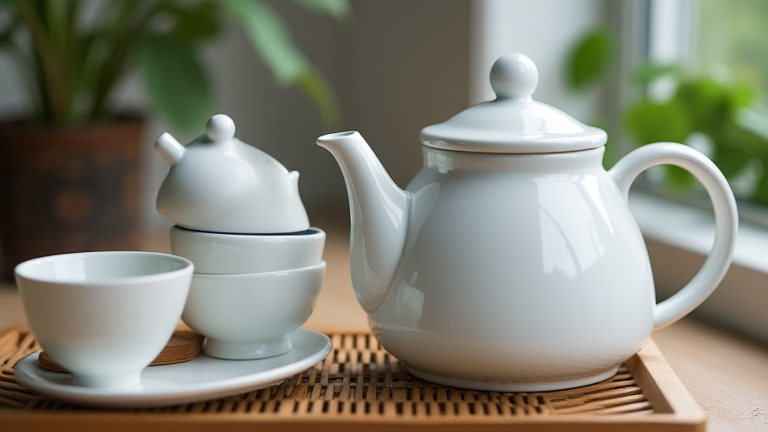
    When shopping for a porcelain tea set, look for brands that explicitly state their products are food-grade and lead-free. Thick-walled porcelain is generally preferred as it provides better heat retention and durability. A well-designed set typically includes a matching teacup, saucer, and sometimes a sugar bowl, creating a cohesive ritual that encourages mindfulness and relaxation. Investing in a durable porcelain set is an investment in your daily wellness routine, providing a safe, beautiful, and functional tool for enjoying one of the world’s most healthy beverages.

    FAQ

    Q: Is porcelain safer than stoneware for daily tea consumption?
    A: Porcelain is generally considered safer for flavor purity because it is non-porous, preventing absorption of oils and odors, whereas stoneware may absorb these elements over time if not glazed perfectly.

    Q: Can lead leach from porcelain teapots?
    A: High-quality, modern porcelain teapots from reputable manufacturers are lead-free and have stable glazes that do not leach harmful metals into tea, even when boiling water is used.

    Q: Does the color of the porcelain affect the taste of tea?
    A: No, the color is determined by safe, food-grade pigments that do not interact with the tea; however, dark-colored porcelain may make it harder to monitor the steeping process visually.

    Related Articles

  • Elevate Your Home: The Timeless Charm of Porcelain Tea Sets

    Elevate Your Home: The Timeless Charm of Porcelain Tea Sets

    TL;DR: A porcelain tea set transforms daily drinking into a serene ritual, blending elegant aesthetics with functional warmth. Its timeless design elevates any living space while honoring rich cultural traditions of hospitality.

    The Art of Slow Living

    In our fast-paced digital world, the simple act of preparing tea offers a rare moment of pause. Porcelain, with its smooth, luminous finish, serves as the perfect vessel for this ritual. Unlike glass, which reveals the liquid but lacks thermal retention, or ceramic, which can feel heavy and rustic, porcelain strikes a delicate balance. It is light enough for delicate handling yet durable enough to last generations. Placing a fine porcelain teapot on your table is not just about utility; it is a statement of intention. It signals that you value the present moment and the company you keep. The subtle sheen of white or pastel porcelain catches the light, adding a touch of sophistication to your morning routine or evening wind-down. This material has been revered in cultures across Asia for centuries, symbolizing purity and refinement. By integrating these elements into your home, you are inviting a sense of calm and order into your daily life. It is a tangible reminder to slow down, breathe, and savor the simplicity of life’s small pleasures.

    If you want to dig deeper, check out our guide on Premium Porcelain Teapots & Tea Sets: Find the Perfect Match.

    Choosing the Right Set

    When selecting a porcelain tea set, consider the craftsmanship and design. Look for pieces with balanced handles and well-fitted lids that ensure a clean pour without drips. The interior glaze should be food-safe and free from lead, ensuring that every cup is safe to enjoy. Whether you prefer a minimalist white design that complements modern decor or an intricate floral pattern that adds a splash of color, there is a style for every aesthetic. Pairing your teapot with matching cups creates a cohesive look that enhances the overall experience. Additionally, consider the capacity. A smaller pot is ideal for personal use or intimate gatherings, allowing the tea to stay hot longer. A larger set is better suited for entertaining guests, making a statement of generosity and care. The tactile experience of holding warm porcelain is also significant. It soothes the hands and grounds the mind, creating a multisensory connection to the beverage inside. This connection is what truly elevates the experience from mere hydration to a cherished lifestyle practice.

    Care and Longevity

    Proper care ensures your porcelain tea set remains a centerpiece for years. Hand washing is generally recommended to preserve the glaze and any painted details. Avoid harsh detergents that might strip the finish or cause discoloration. Store your set in a dry place to prevent any potential mold or mildew, especially if you drink herbal teas that can leave residues. Regularly check the spout for clogs, particularly if you use loose leaf tea. A well-maintained porcelain set is an investment in your home’s atmosphere and your personal well-being. It stands as a testament to the beauty found in traditional crafts and the enduring value of thoughtful hospitality. Let the gentle curve of the porcelain and the steam rising from the cup be your daily invitation to mindfulness and grace.

    FAQ

    Q: Is porcelain tea ware dishwasher safe?
    A: Most modern porcelain is dishwasher safe, but hand washing is recommended to preserve delicate glazes and painted designs.

    Q: What type of tea pairs best with a porcelain set?
    A: Porcelain is neutral in taste, making it ideal for delicate green, white, or oolong teas where flavor purity is key.

    Q: How do I prevent my porcelain teapot from smelling stale?
    A: Rinse the pot with hot water after each use and ensure it is completely dry before storage to prevent odor buildup.

    Related Articles

  • Porcelain Teapots Guide: How to Choose, Care, and Brew Perfect Tea

    Porcelain Teapots Guide: How to Choose, Care, and Brew Perfect Tea

    TL;DR: Select a porcelain teapot based on your preferred tea type and brewing volume, ensuring the lid fits snugly to retain heat. Maintain the pot by avoiding sudden temperature shocks and cleaning it immediately after use to prevent staining and preserve the pristine white finish.

    Choosing the Right Porcelain Teapot

    When selecting a porcelain teapot, consider the material’s unique properties. Porcelain is non-porous, meaning it does not absorb tea flavors or oils. This makes it ideal for light and delicate teas like green, white, or oolong. Unlike clay teapots, porcelain does not alter the taste, allowing the pure aroma of the leaves to shine. Look for a pot with a well-fitting lid; a tight seal is crucial for maintaining the temperature required for optimal steeping. Additionally, choose a spout that pours smoothly without dripping. A straight spout is generally better for light teas, while a curved spout works well for black teas. Ensure the handle is comfortable and stays cool to the touch, as porcelain conducts heat differently than stoneware.

    If you want to dig deeper, check out our guide on Top 10 Porcelain Teapots & Sets for Your Perfect Brew.

    Care and Maintenance Tips

    Proper care ensures your porcelain tea set lasts for decades. Avoid thermal shock by never adding boiling water to a cold pot; pre-warm the vessel with a small amount of hot water first. This prevents cracking and extends the life of the glaze. After each use, rinse the pot with warm water immediately. Do not let tea residue dry out, as it can stain the interior and affect future brews. While porcelain is generally dishwasher safe, hand washing is recommended to preserve the delicate glaze and any hand-painted designs. Use a soft sponge and mild soap. Avoid abrasive scrubbers, which can scratch the surface. If you notice any chips or cracks, discontinue use, as these areas can harbor bacteria and weaken the structure. Store your teapot in a dry place, preferably with the lid slightly ajar to allow air circulation and prevent musty odors.

    Brewing Perfect Tea

    To brew the perfect cup, start by measuring your tea leaves. A general rule is one teaspoon of loose leaf tea per cup, adjusted to personal preference. Pre-heat the teapot and cups to maintain consistent brewing temperature. Add the dry leaves to the pot and pour in water at the appropriate temperature for your specific tea type. For example, green tea requires water around 175°F, while black tea needs boiling water. Steep for the recommended time, typically two to five minutes. Pour the tea immediately into cups or a serving pitcher to prevent over-steeping, which results in bitterness. Porcelain teapots retain heat well but not as effectively as clay, so monitor the steeping time closely. Enjoy the clarity and brightness that porcelain brings to your tea experience.

    FAQ

    Q: Can I use porcelain for all types of tea?
    A: Yes, porcelain is versatile and works for all teas, though it is particularly recommended for light teas that benefit from a neutral vessel.

    Q: How do I remove tea stains from porcelain?
    A: Rinse immediately after use. For stubborn stains, soak in a solution of warm water and baking soda for a few hours, then scrub gently.

    Q: Is porcelain teapot safe for microwave use?
    A: Most porcelain is microwave safe, but check the manufacturer’s label, especially if the set includes metallic accents or intricate gold detailing.

    Related Articles